AI and workplace well-being: Inside the Second HCI and KAS Strategic Dialogue
Written by


AI and Workplace Well-being: Inside the Second HCI and KAS Strategic Dialogue
Employers, occupational physicians and HR professionals mapped five barriers to AI adoption in Tunisian organisations. Governance, skills, data quality, change management, ethics and trust. HealthCare Innovation reported the outcome on 8 July 2026, after its second strategic dialogue with the Konrad-Adenauer-Stiftung.
HealthCare Innovation is the HealthTech cluster based in Monastir, Tunisia. The Konrad-Adenauer-Stiftung is a German political foundation with an office in Tunis. It works on policy dialogue and economic development.
Why a HealthTech cluster runs a dialogue on HR
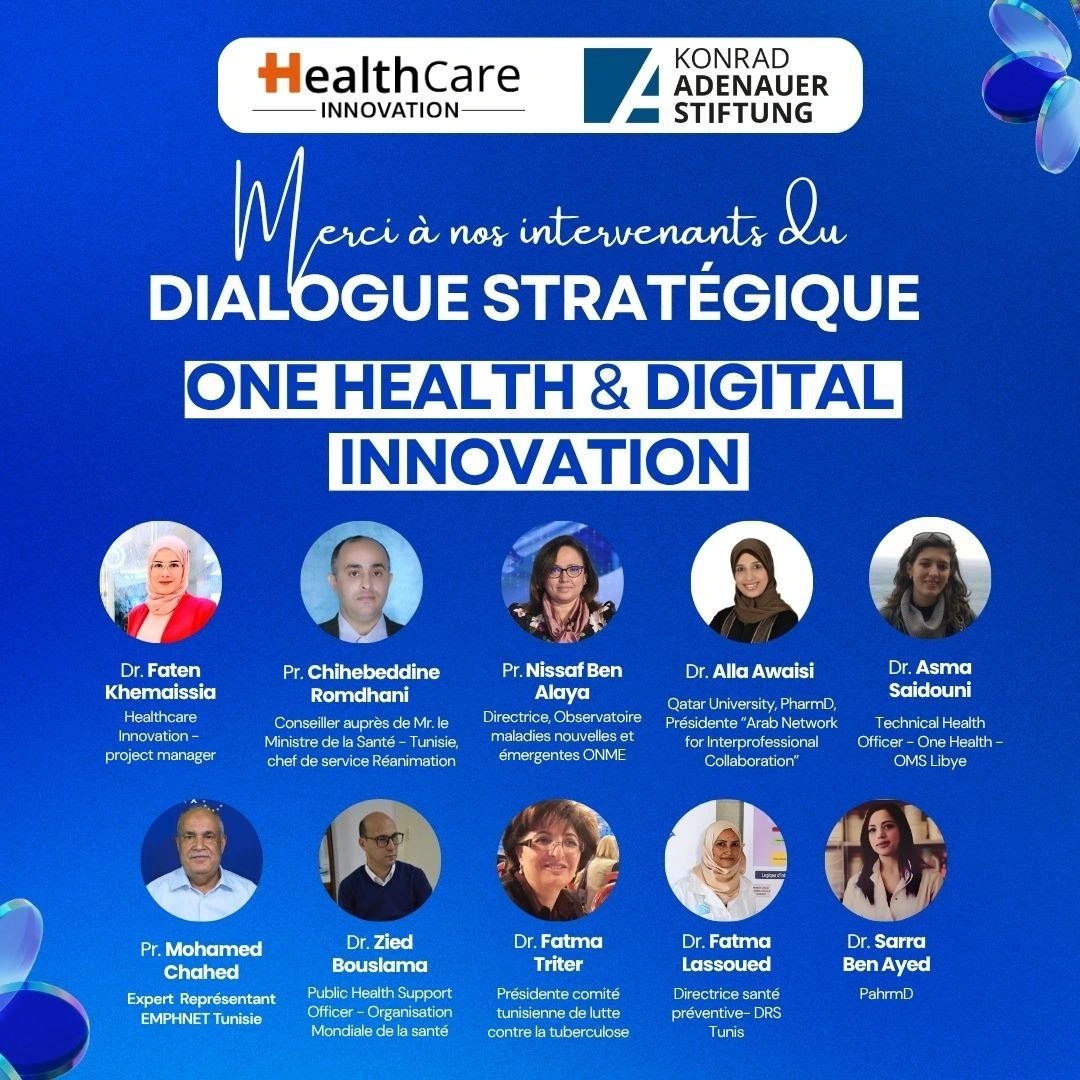
The dialogue belongs to a wider project. HCI and KAS signed a partnership in June 2026. It covers four strategic dialogues and one study, under the title Co-Creating a Resilient and Integrated Health Ecosystem in Tunisia. The first dialogue covered One Health and digital tools. We describe it in HCI and Konrad-Adenauer-Stiftung open a national dialogue .
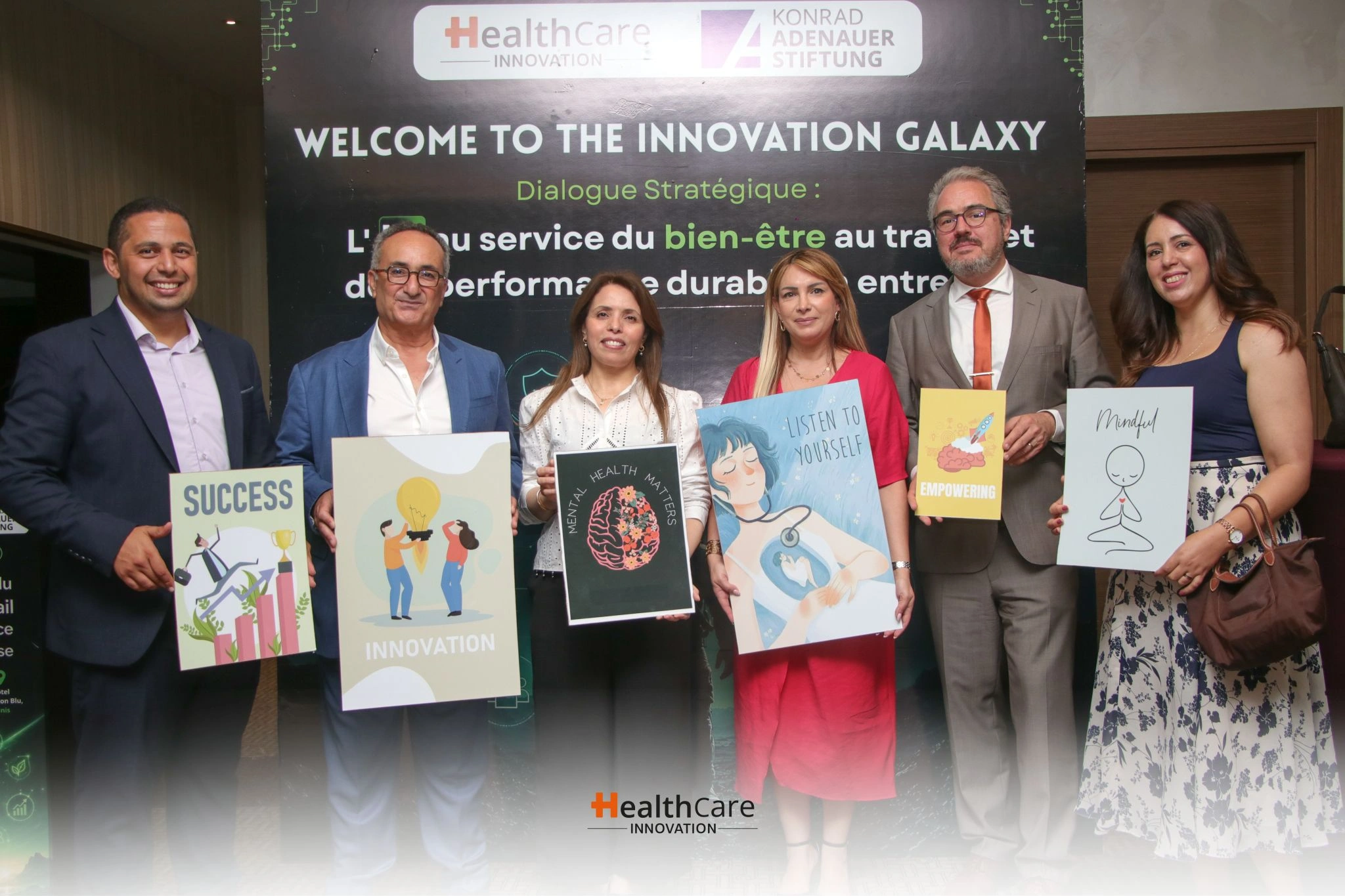
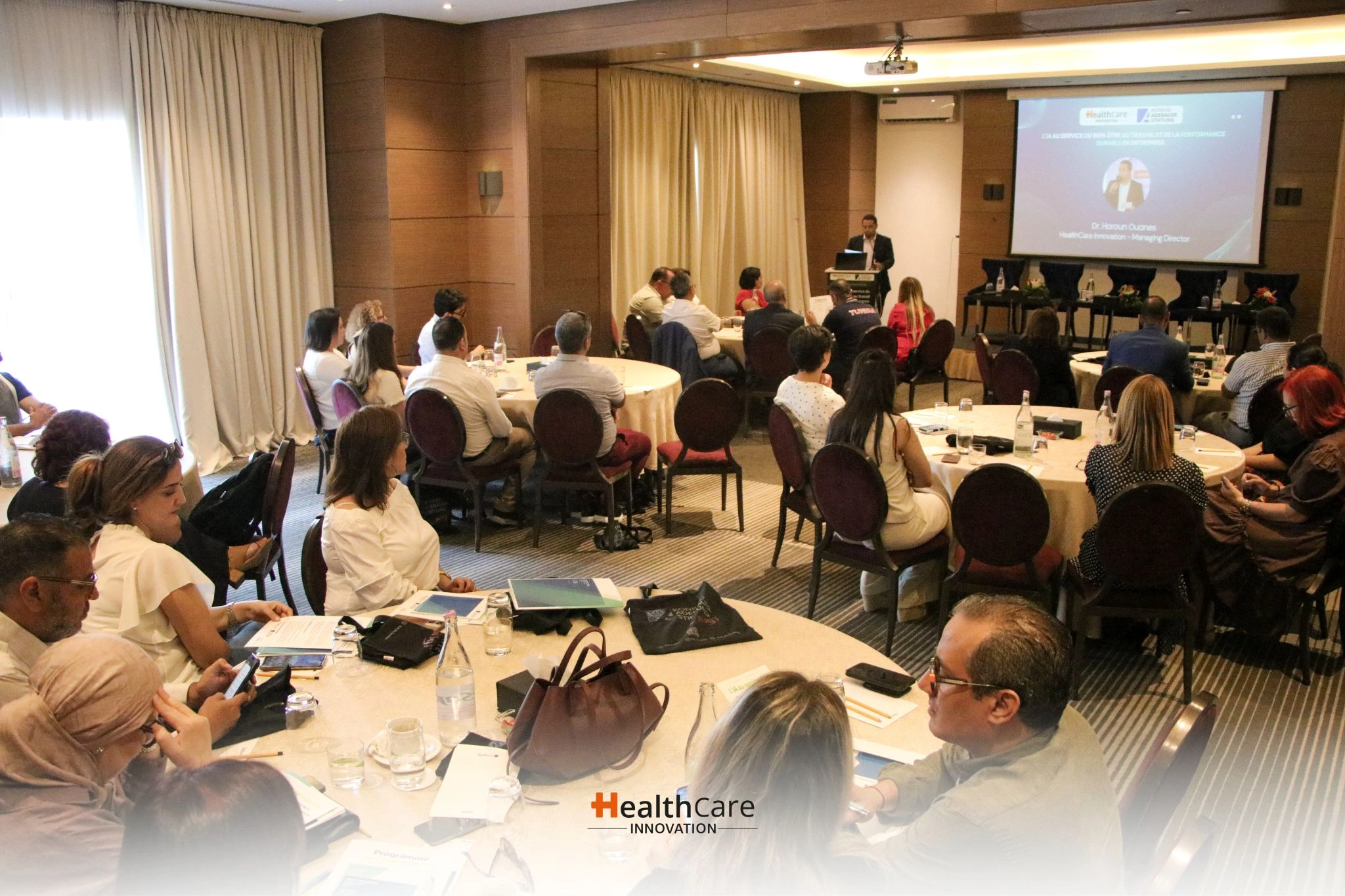
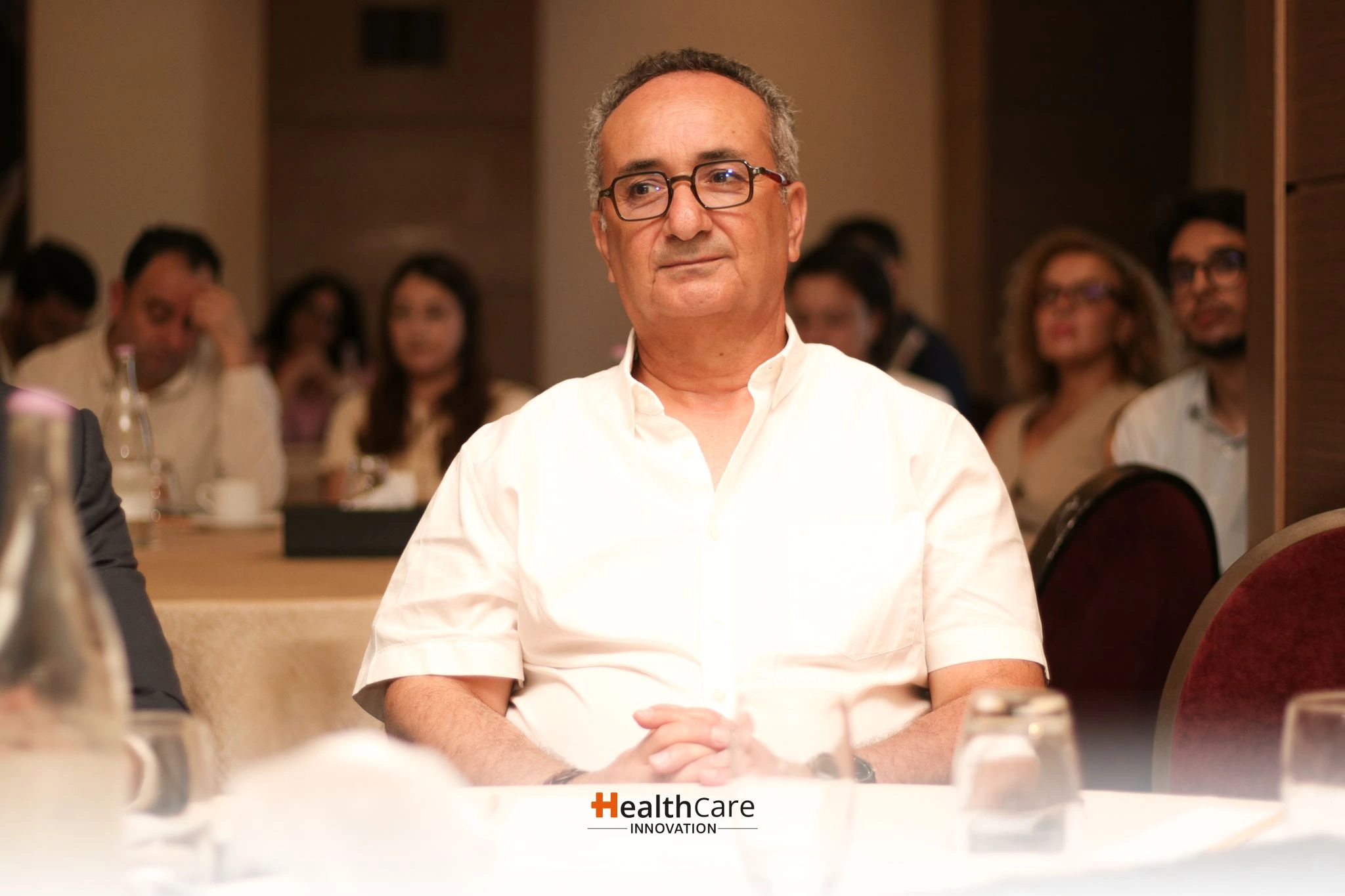
The second one moved the subject inside the firm. The room held employers, experts, public bodies, HR and QHSE staff, works doctors, innovators and startups. That mix is the point. Works doctors and HR rarely sit at the same table as tool vendors.
The question on the table was narrow. How can AI and digital tools help a firm prevent, measure and manage well-being at work, mental health and lasting performance?
What the keynotes set up
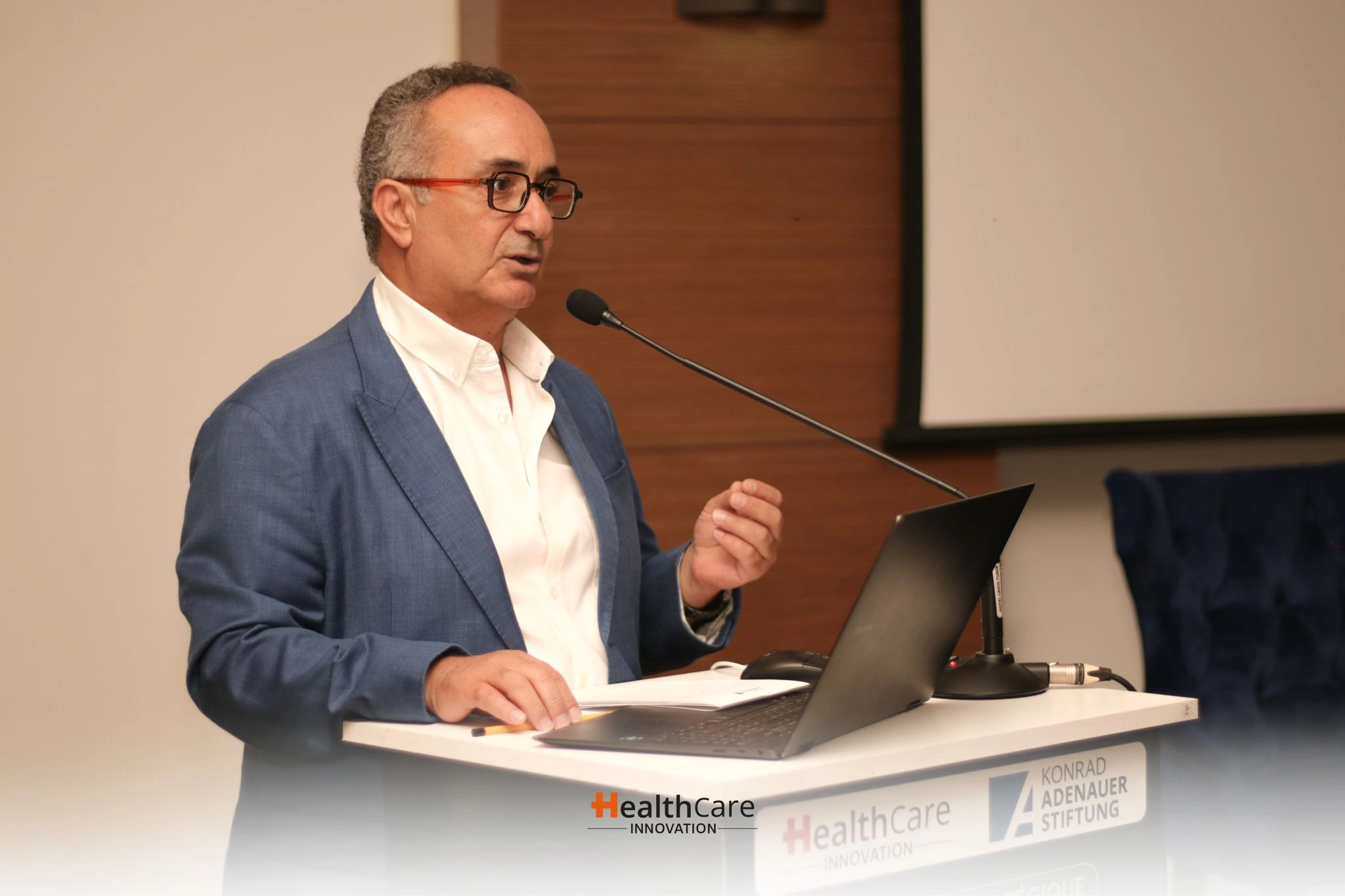
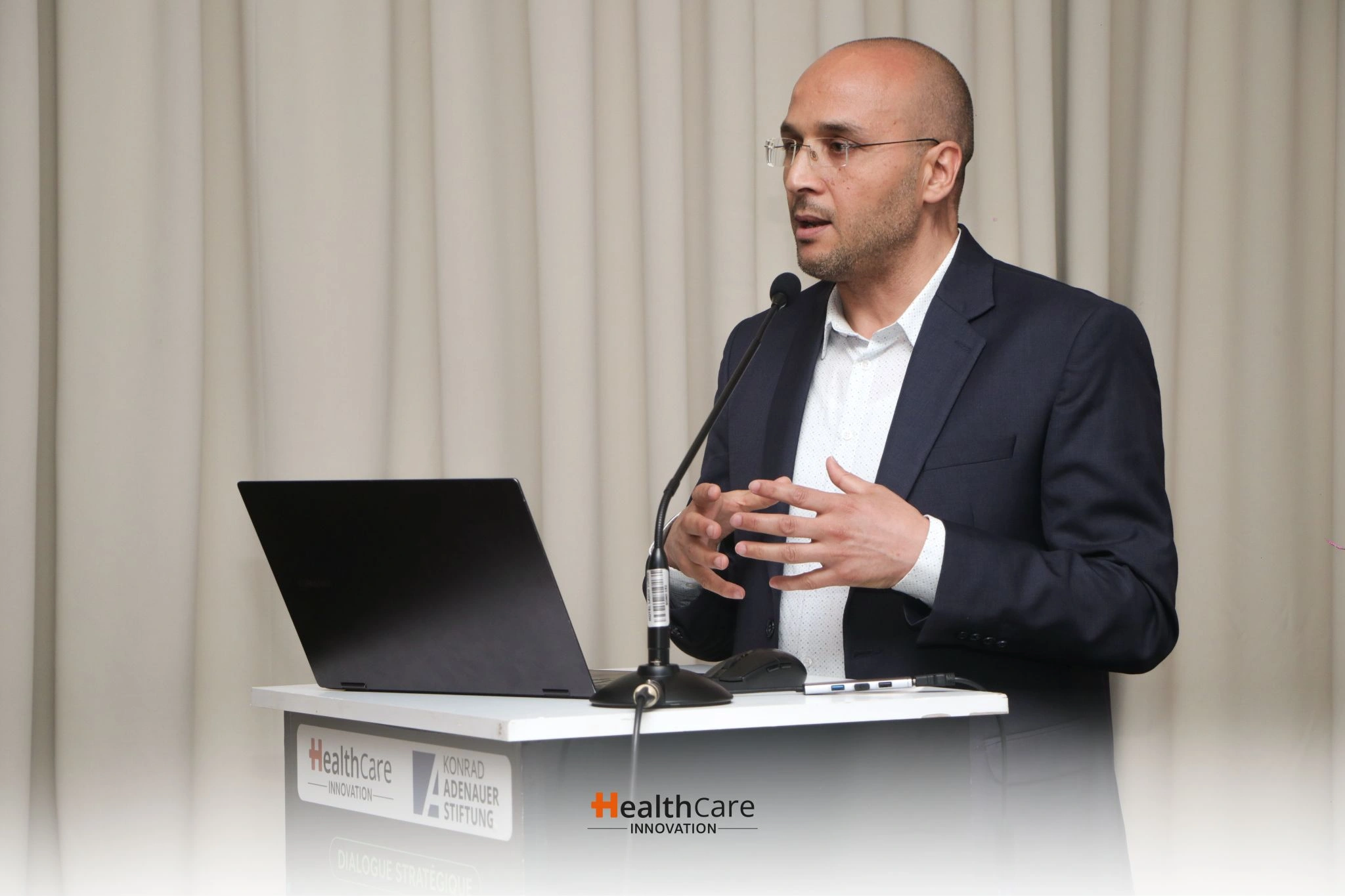
Hamadi Chellouf and Saidi Bouzidi opened the day. They covered three subjects. How the HR function goes digital. Whether a firm is ready for AI. And what a responsible use of the tools requires.
Their framing shaped the rest of the day. An organisation does not adopt AI because it buys a tool. It adopts AI when its culture, its data and its management practices can absorb one.
The panel asked the uncomfortable questions
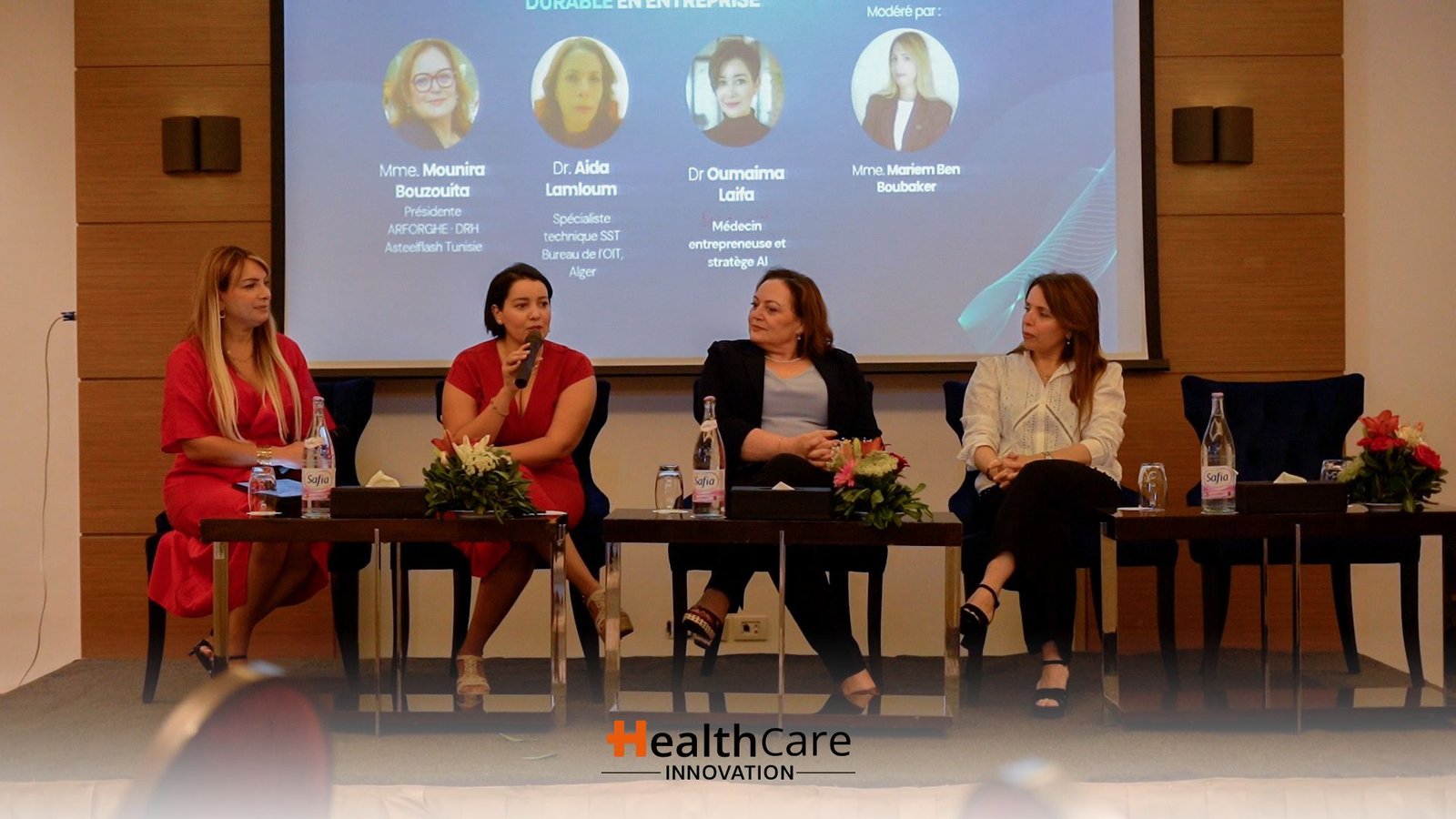
The keynote panel was led entirely by women. Meriam Ben Boubaker moderated, with Mounira Bouzouita, Dr Aida Lamloum and Dr Oumaima Laifa. Between them they brought the employer view, occupational health, research and innovation.
The panel put three questions to the room.
- Are organisations ready to adopt AI responsibly?
- How do we stop AI from reinforcing bias, workplace pressure or inequality?
- How do we build AI that serves people, prevention, trust and sustainable performance?
One conclusion carried the session. What decides AI adoption is the state of the firm, not the state of the tool. Culture, governance, skills, data, the habit of listening, and honest leadership.
The five barriers, and what each one means
The working groups produced the most useful output of the day. Five barriers block AI inside a firm. The groups named the five. The second column below is our own reading of what each one looks like on the ground.
| Barrier | What it looks like in practice |
| Governance | No one owns the decision. Roles, accountability and escalation paths for AI use are undefined. |
| Skills and talent development | Teams can operate a tool but cannot question its output, so they either over-trust it or reject it. |
| Data quality | Well-being data is incomplete, scattered across systems, or collected without a clear purpose. |
| Change management | The tool arrives before the conversation. Employees learn about it once it is already running. |
| Ethics and trust | Staff suspect that a well-being tool is a monitoring tool. Without a clear line, adoption stalls. |
The groups also drew up advice to help HR teams get ready. People, prevention and lasting performance stay at the centre.
All five barriers sit inside the firm. A better vendor solves none of them.
What the startups showed
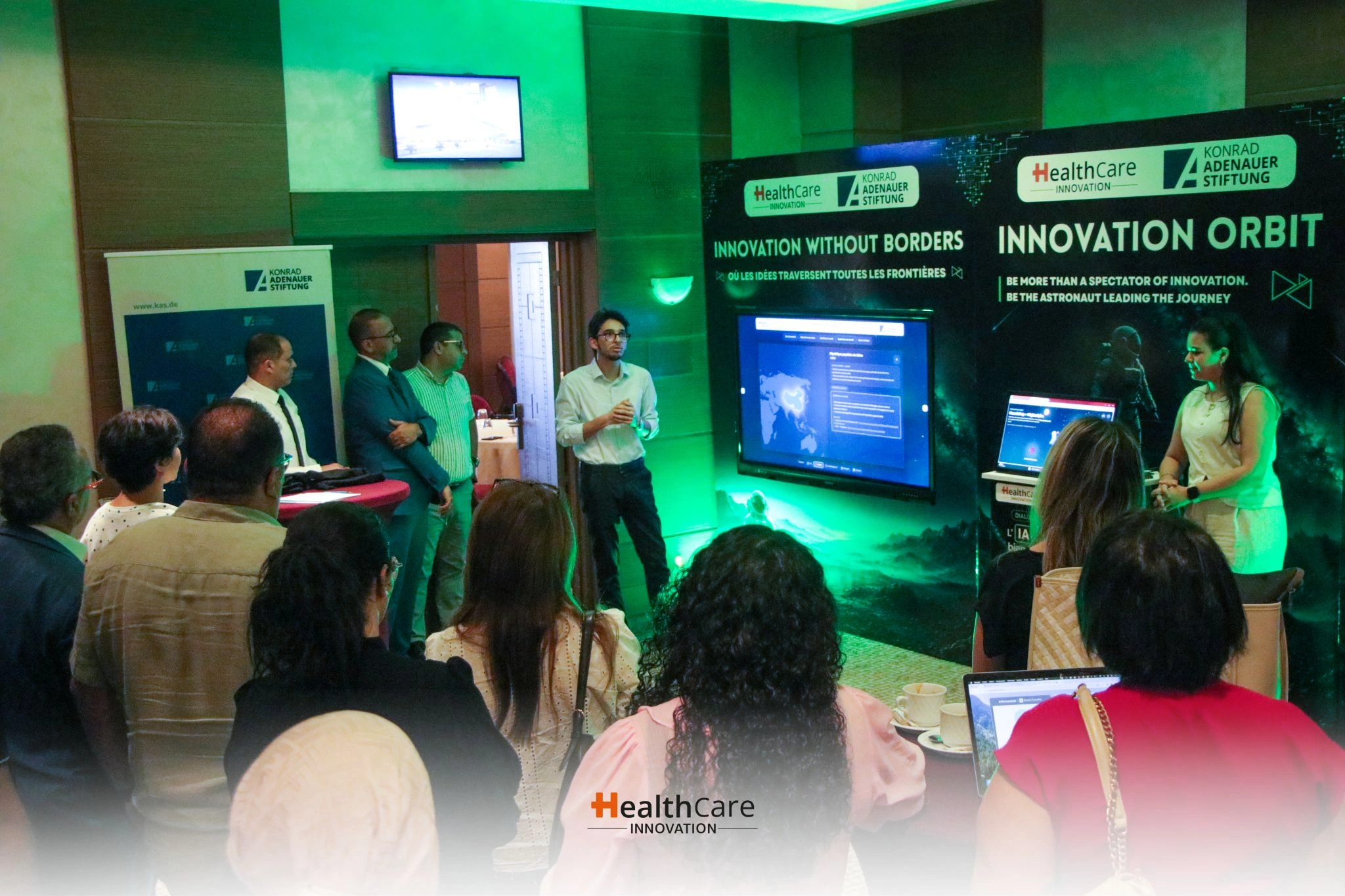
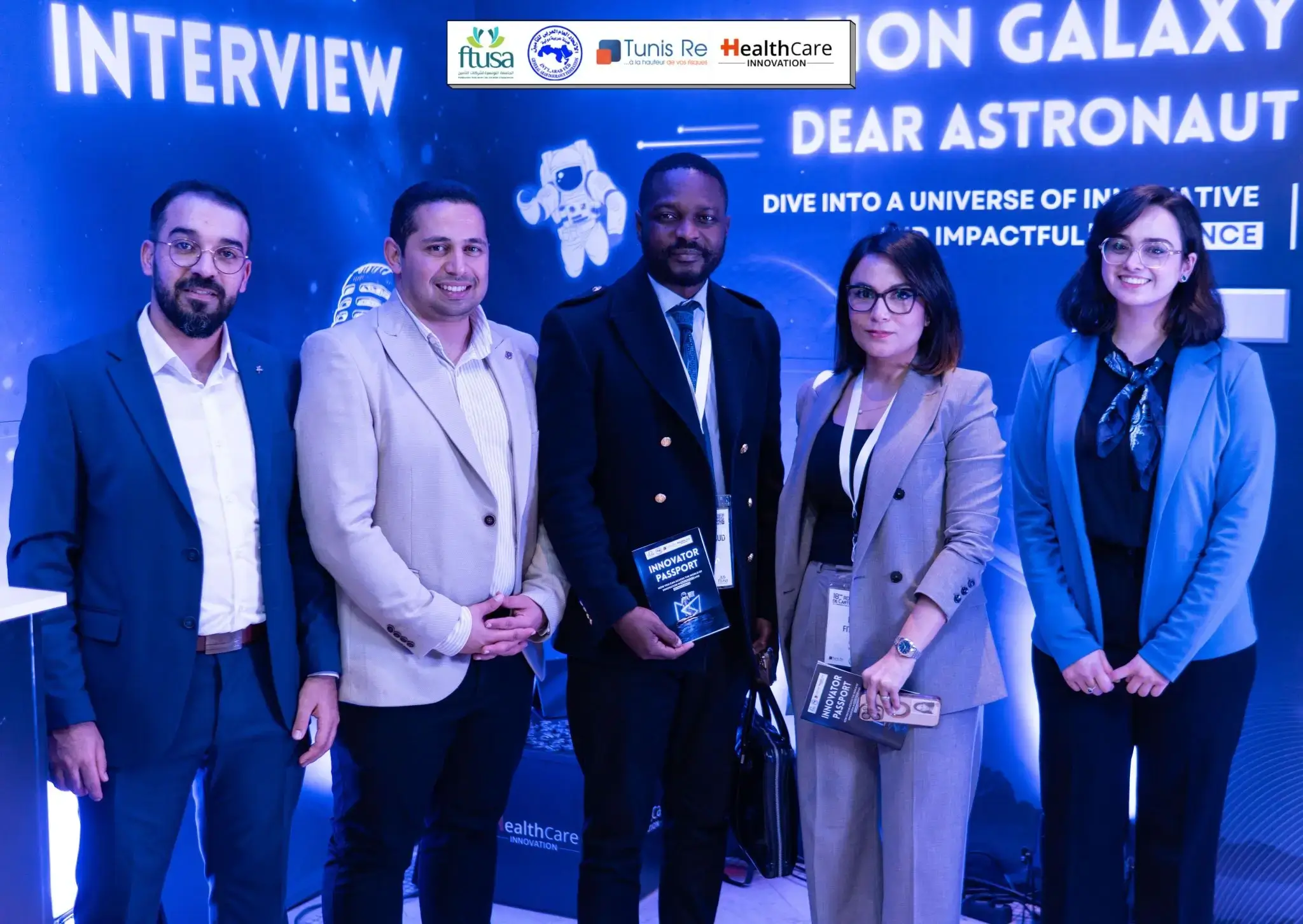
Two Tunisian startups presented solutions at the event. WejdenSpire works on workplace mental health and well-being. NormSafety works on occupational health and safety compliance.
Their presence answered a common objection. Employers often say no local tool exists. Two of them were in the room.
Why this matters beyond the day
The World Health Organization puts a number on the problem. Depression and anxiety cost 12 billion working days every year worldwide. The bill reaches around one trillion US dollars a year in lost productivity.
Europe is moving on the same file. The European Agency for Safety and Health at Work runs a campaign on mental health at work from 2026 to 2028 . The agency reports that 37 percent of European workers feel general fatigue. Another 29 percent report stress, depression or anxiety.
That matters for Tunisian suppliers. European buyers who report on working conditions will ask the same of their subcontractors. Most will use ISO 45003:2021 as the yardstick. It is the only global standard on the subject. We set out what it requires in ISO 45003 and the new rules of workplace mental health .
HCI holds one position on this. Well-being at work drives governance, resilience, hiring and long-term value. It is a board subject, not a perk.
Two more dialogues remain in the series, along with the study. Companies that want to take part can reach the cluster through our Community page . Employers looking for a diagnostic can start with our Services .
Frequently Asked Questions
Q: What were the five barriers to AI adoption identified?
A: Governance, skills and talent, data quality, change management, and ethics and trust. All five sit in the firm, not in the tool.
Q: Who took part in the dialogue?
A: Employers, experts, public bodies, HR and QHSE staff, works doctors, innovators and startups. Hamadi Chellouf and Saidi Bouzidi gave the keynotes. Meriam Ben Boubaker led a panel with Mounira Bouzouita, Dr Aida Lamloum and Dr Oumaima Laifa.
Q: What is the HCI and KAS project?
A: HealthCare Innovation and the Konrad-Adenauer-Stiftung signed a partnership in June 2026. It covers four strategic dialogues and one study on a resilient and integrated health ecosystem in Tunisia. This was the second dialogue.
Q: Why does mental health at work concern Tunisian companies now?
A: The European agency for safety and health at work runs a campaign on the subject from 2026 to 2028. European buyers who report on working conditions pass those requirements to their suppliers.
Q: How can a company join the next dialogue?
A: Contact HealthCare Innovation through the community page of the cluster website.
HCI Resources
Accelerating Innovation in HealthTech
Pharma & Medical Device Regulatory Services
External Citations
World Health Organization – Mental health at work (2024)
EU-OSHA – Healthy Workplaces Campaign 2026-2028, Together for mental health at work
EU-OSHA – Psychosocial risks and mental health at work
ISO – ISO 45003:2021, psychological health and safety at work
Konrad-Adenauer-Stiftung – Tunisia office