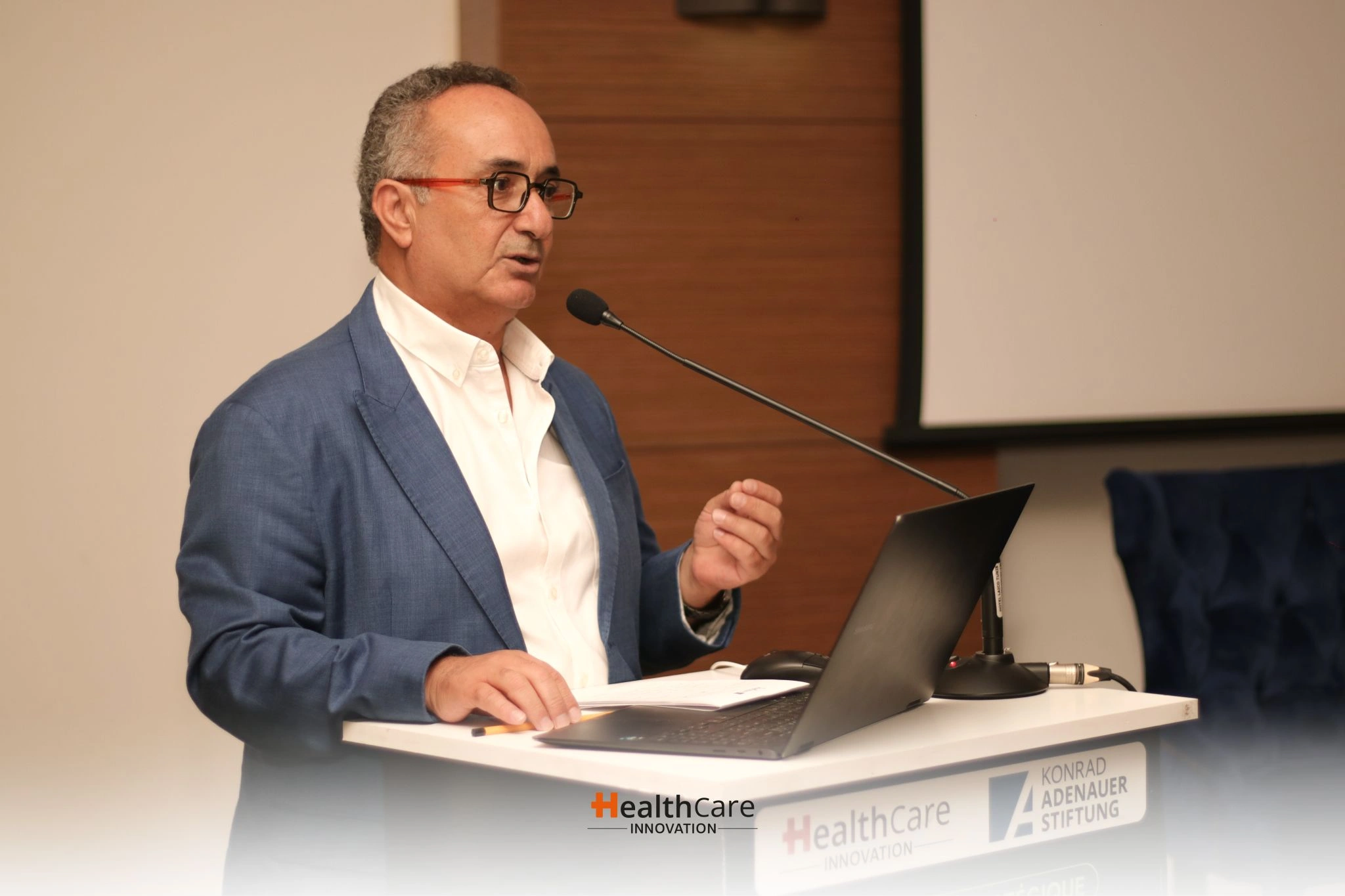
HCI and Konrad-Adenauer-Stiftung Open a National Dialogue on One Health in Tunisia
Written by
HCI and Konrad-Adenauer-Stiftung Open a National Dialogue on One Health in Tunisia
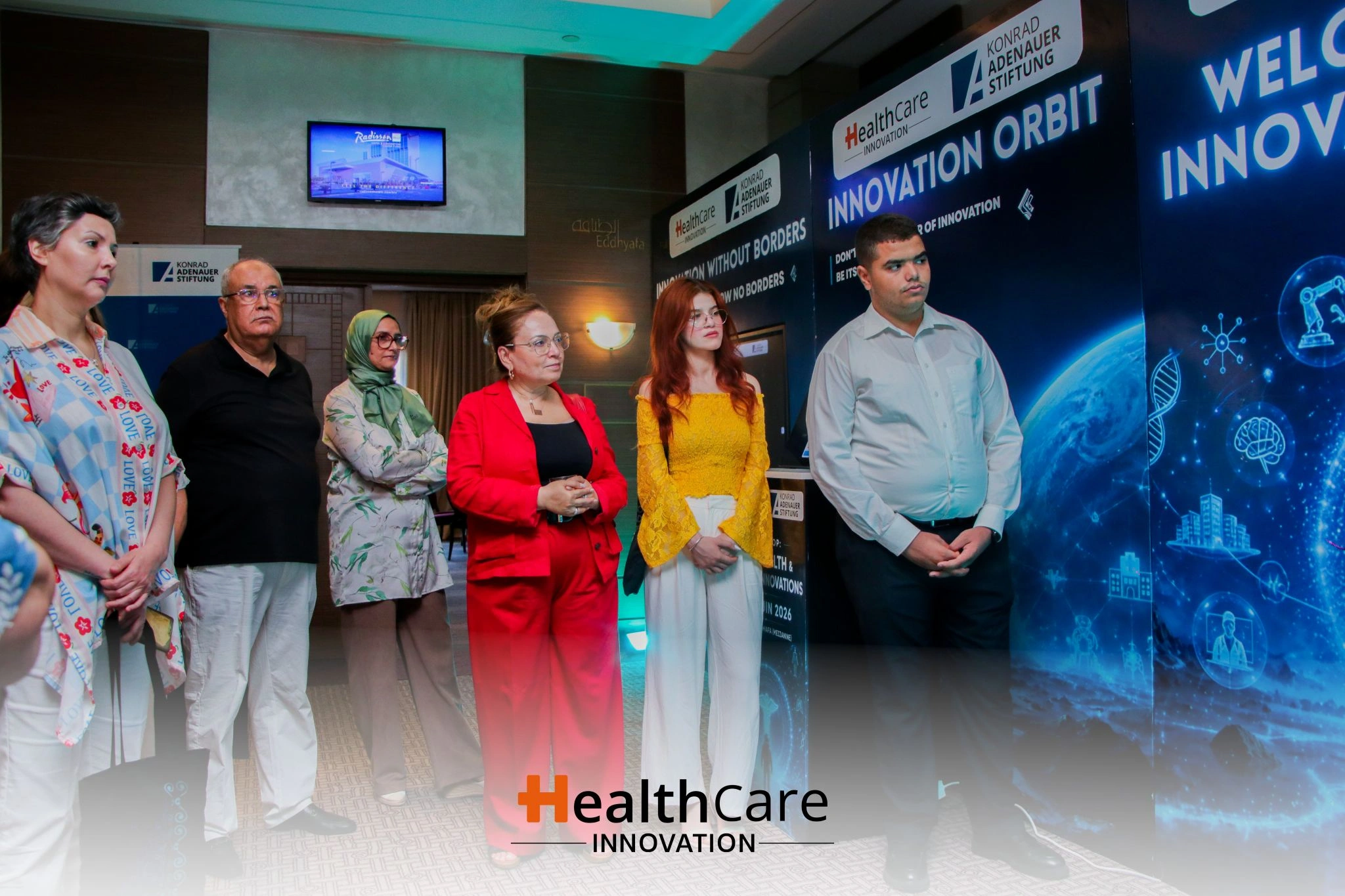
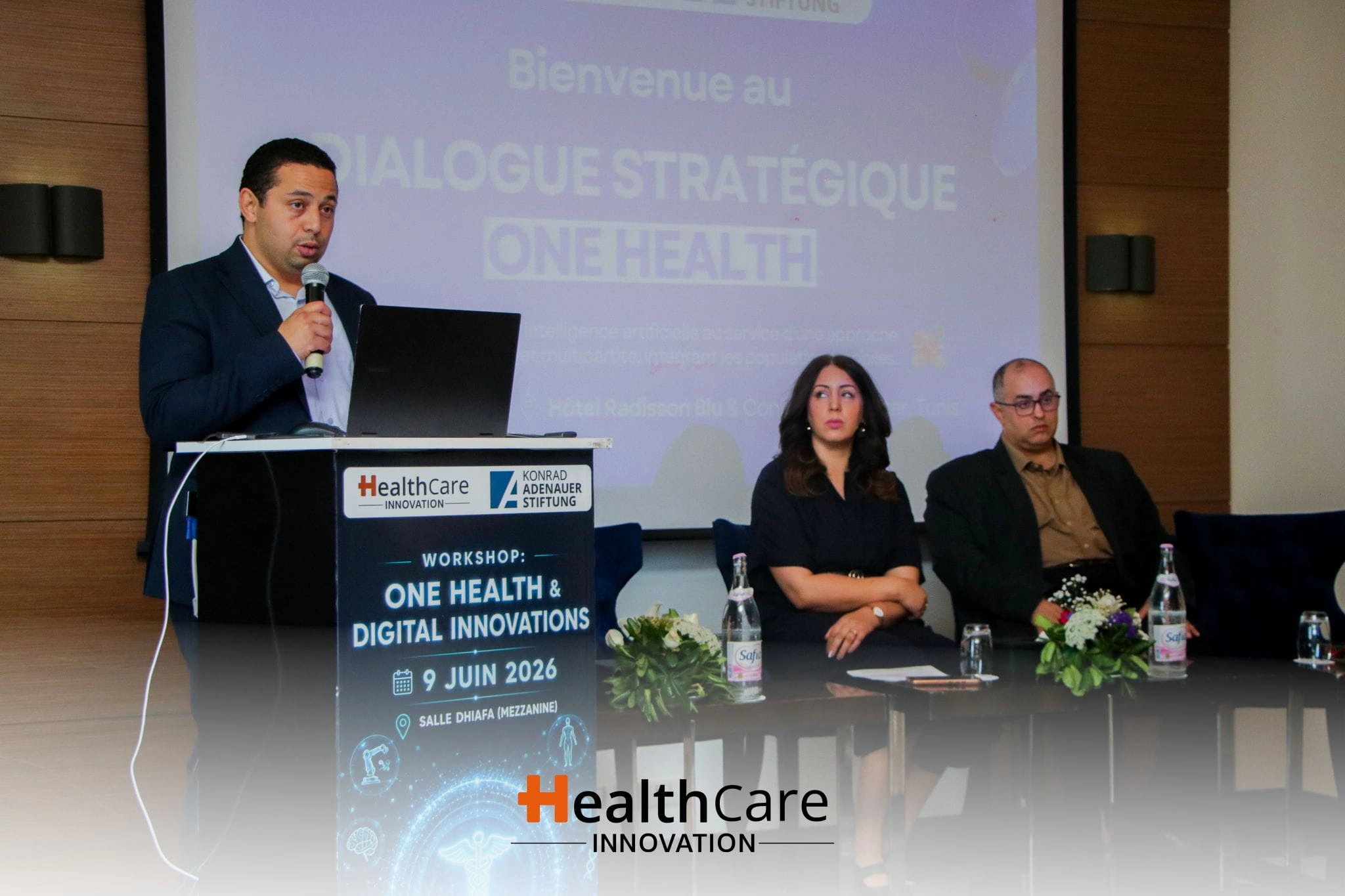
HealthCare Innovation and the Konrad-Adenauer-Stiftung signed a partnership in June 2026. It covers four strategic dialogues and one in-depth study, under the title Co-Creating a Resilient and Integrated Health Ecosystem in Tunisia. The first dialogue, reported on 25 June 2026, addressed digital tools and AI for a One Health approach.
HealthCare Innovation is the HealthTech cluster based in Monastir, Tunisia. The Konrad-Adenauer-Stiftung is a German political foundation with an office in Tunis.
What the two organisations agreed to do
The partnership has a narrow object. HCI and KAS co-organise strategic dialogues and produce studies. One question runs through them. How do health, technology and innovation work together to drive economic growth?
The method counts as much as the subject. Each dialogue puts public bodies, firms, academics and innovators in one room. Each one produces a written output. Four dialogues and one study in all.
That format answers a gap. Tunisia has no standing forum on this subject. A ministry official, a hospital director, a startup founder and a researcher rarely read the same file at the same time.
The first dialogue: One Health, digital tools and AI
The opening dialogue took the title Digital Tools and AI to Support an Inclusive and Multi-Stakeholder One Health Approach.
Participants worked on four functions, not on technology in general. Prevention, surveillance, early detection, and response to complex health threats. For each one they asked the same question. What do digital tools, AI, data and cross-sector work actually add?
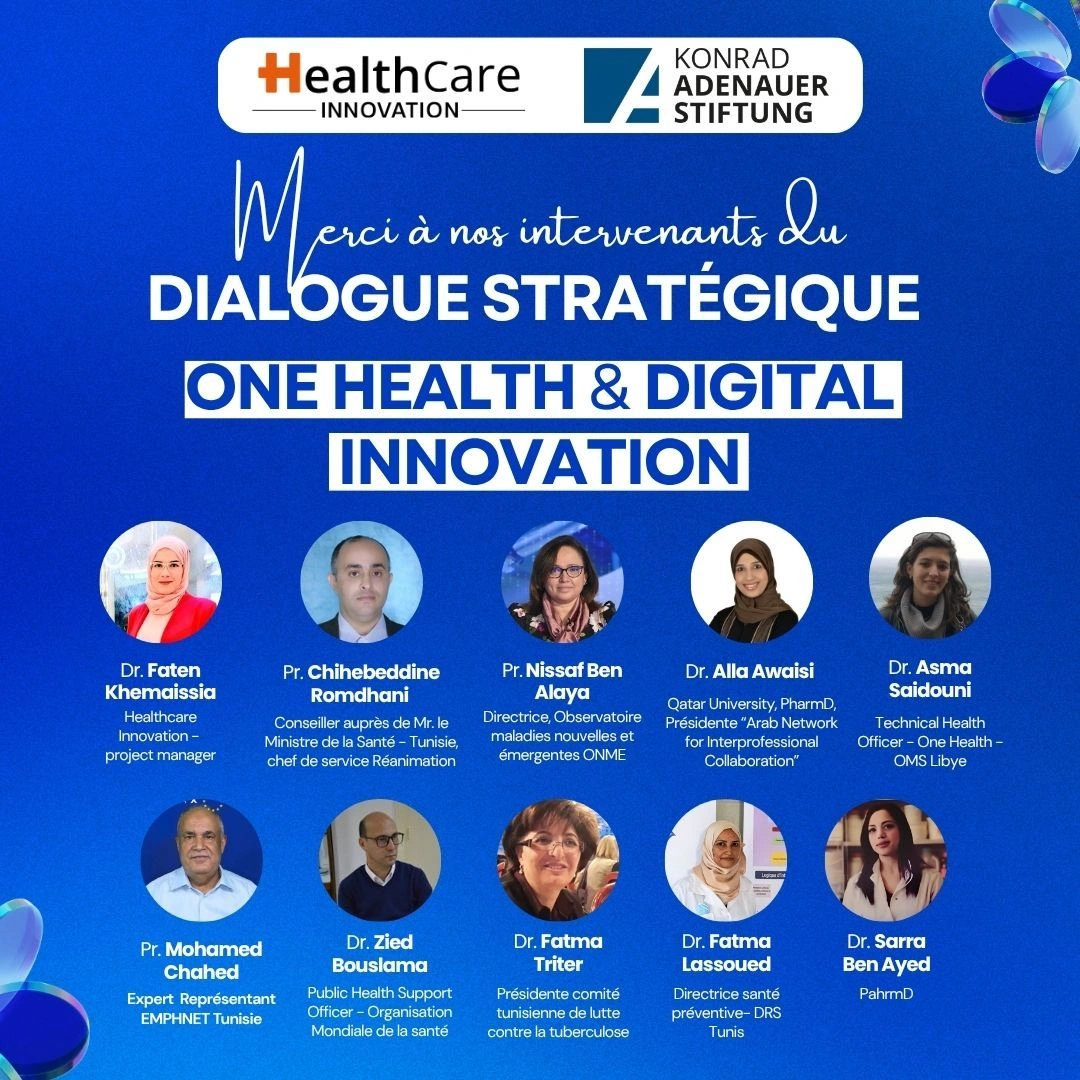
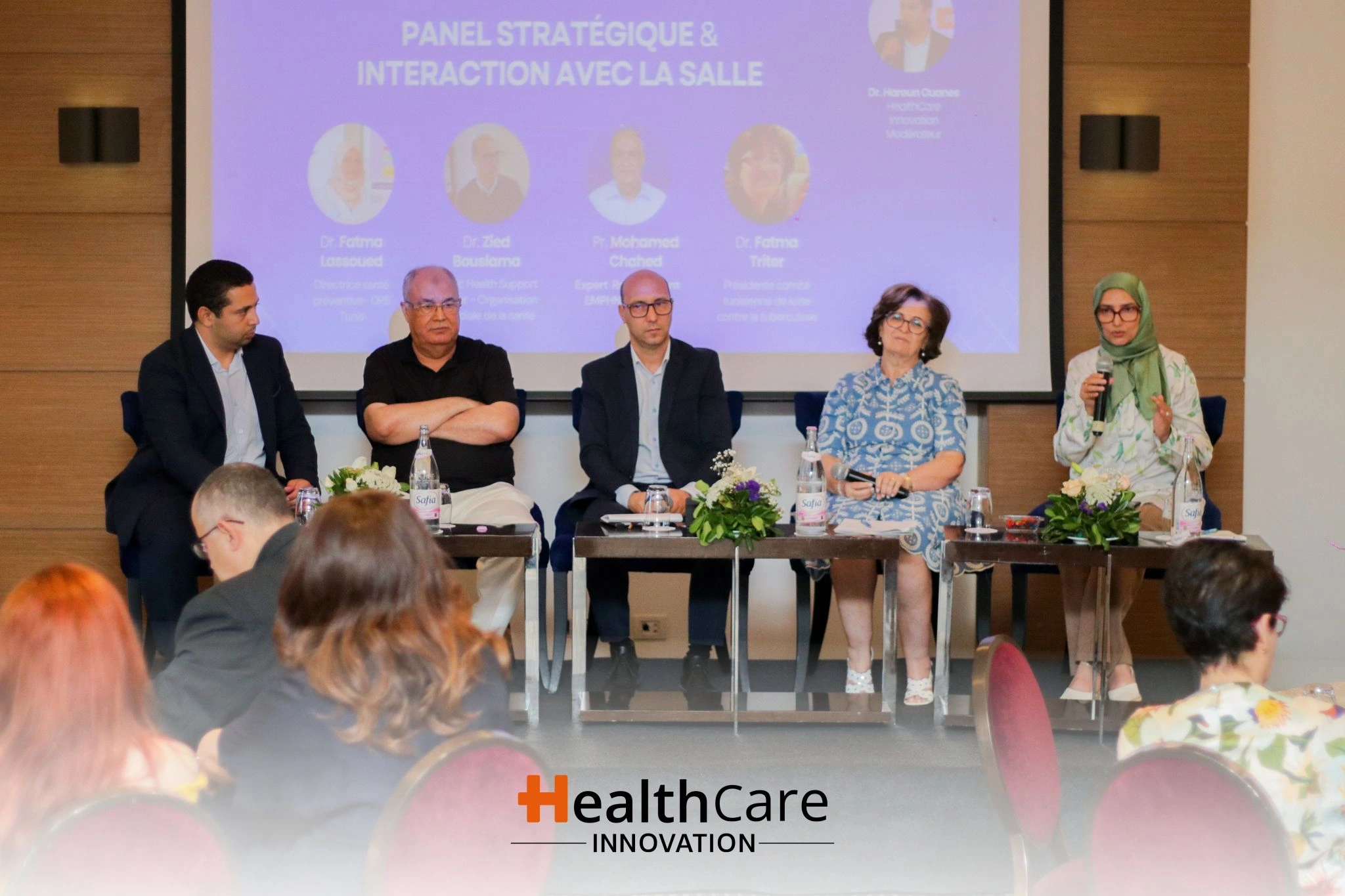
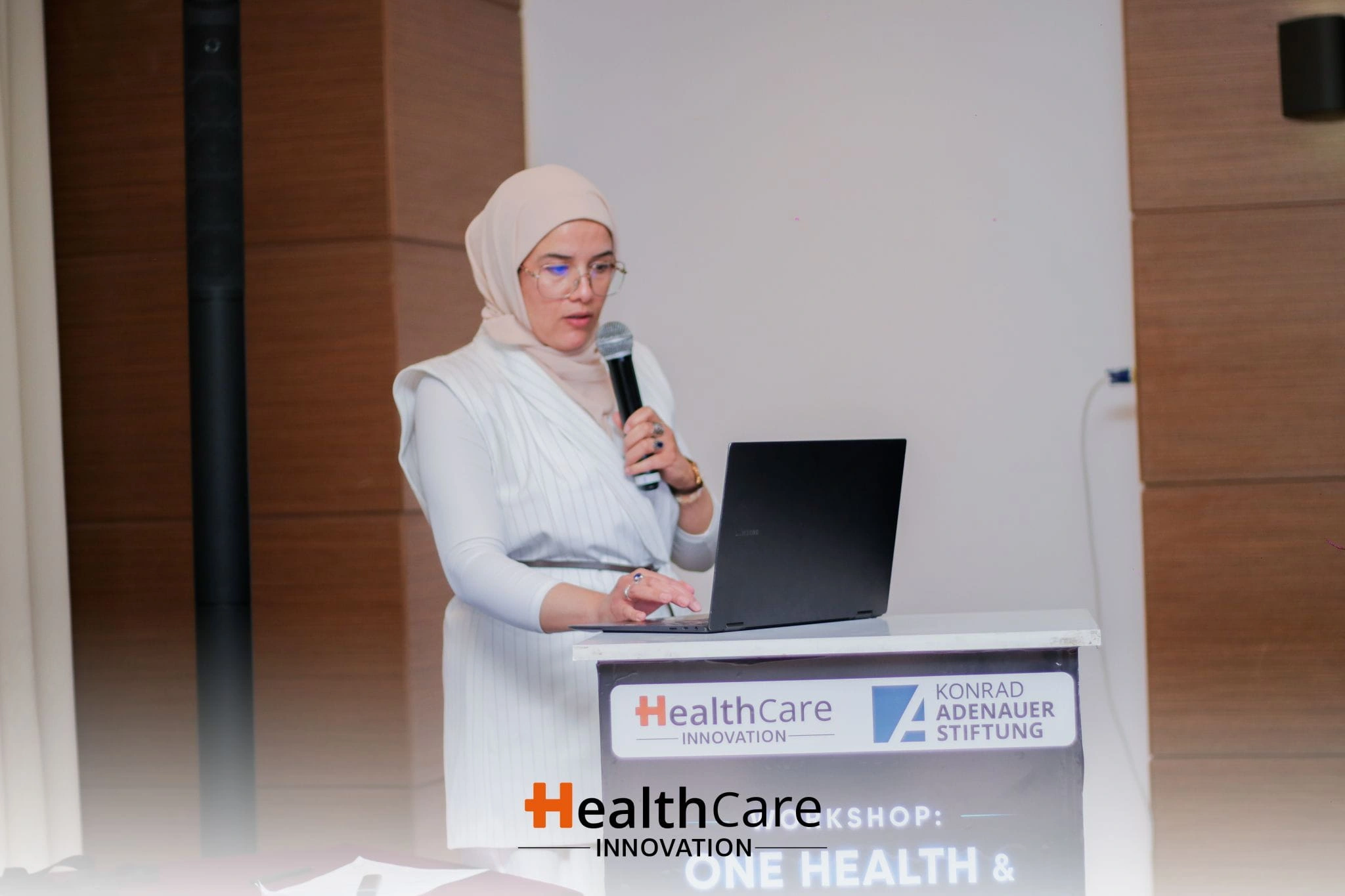
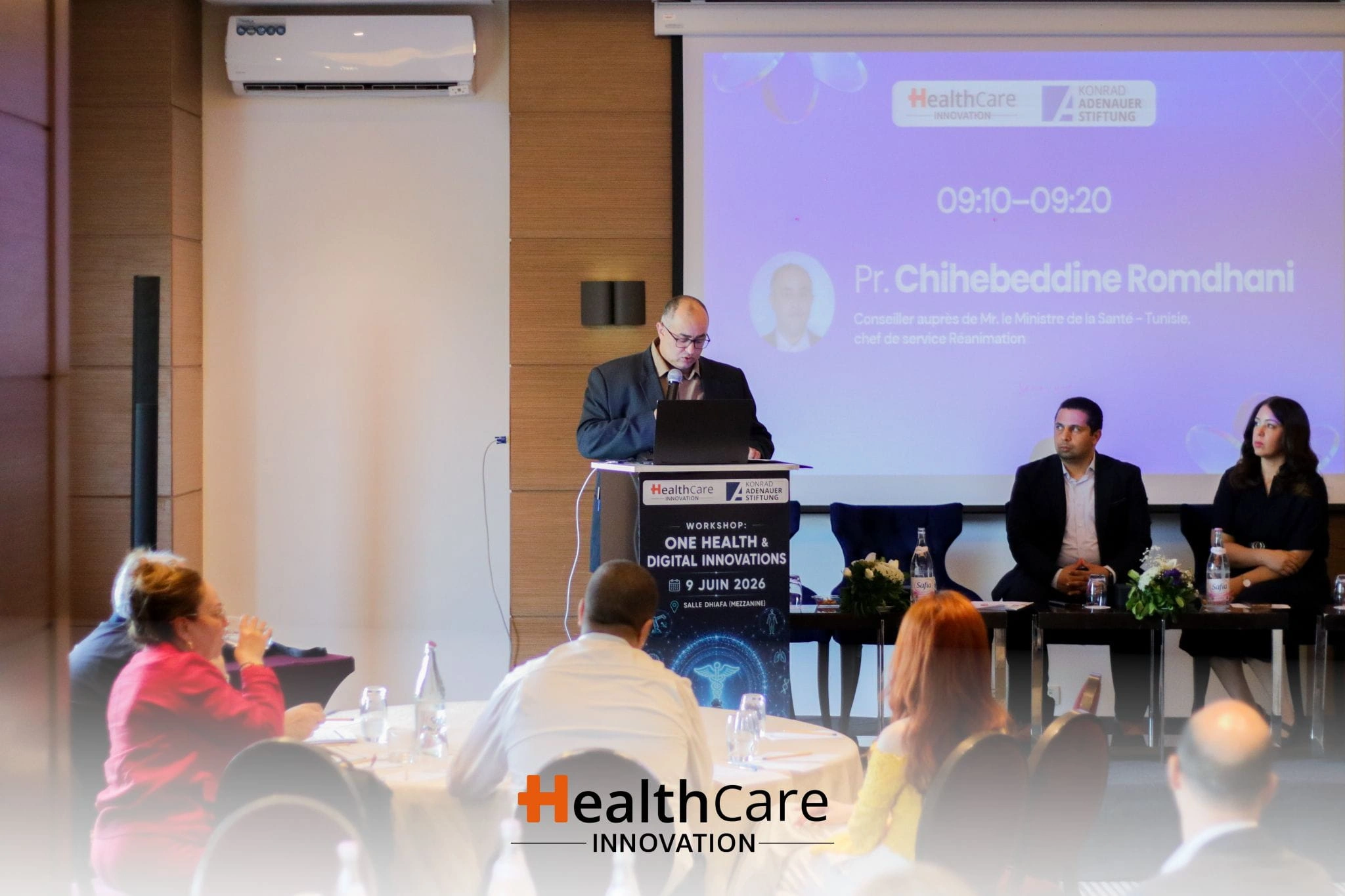
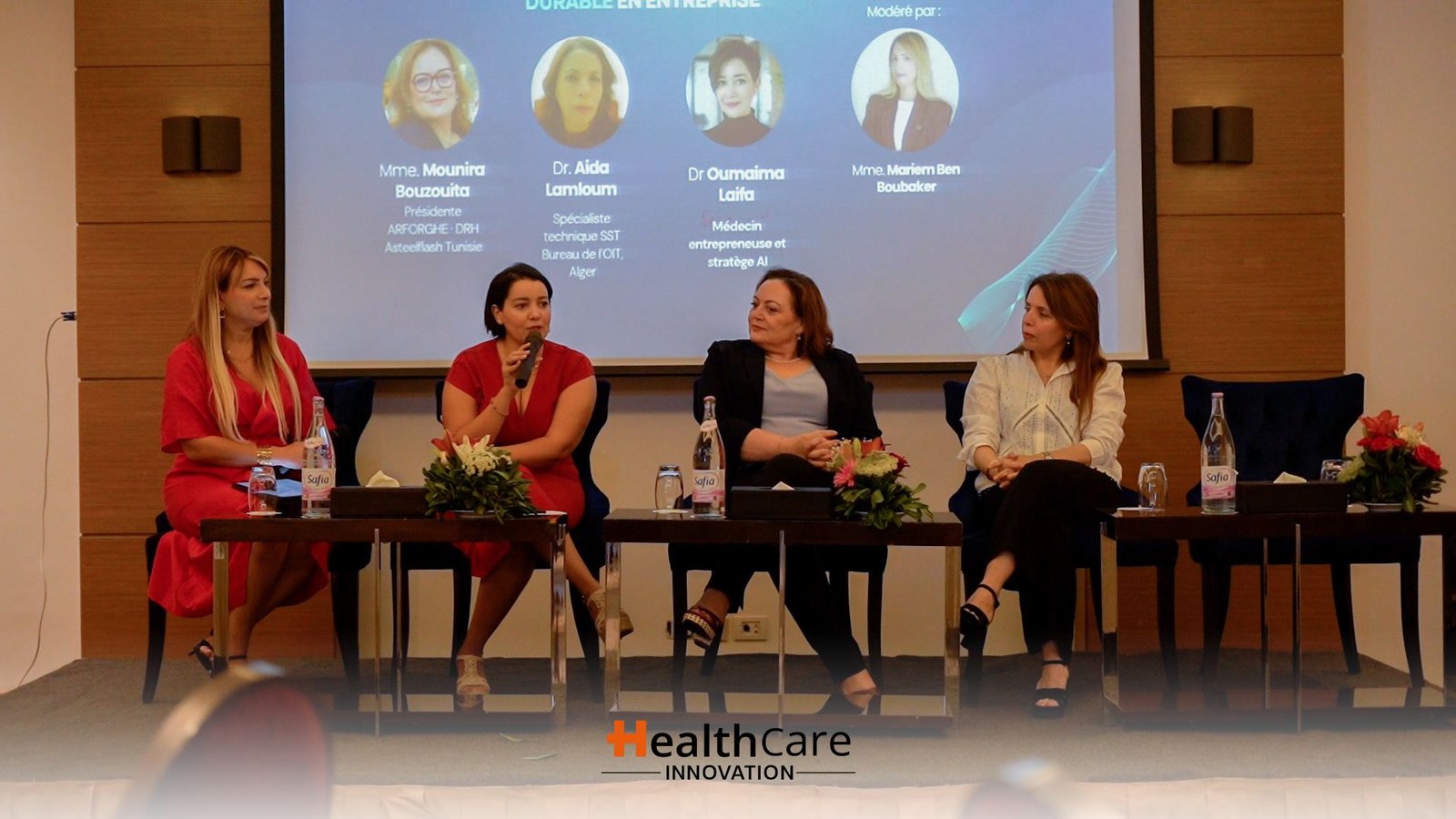
The room held public bodies, firms, academics, innovators and healthcare leaders. HCI named several of them. Dr Faten Khemaissia, Mohamed Azaouzi, Wissem Bahrouni, Nour Souabni, Kaouther Boussema, Imen Nefzi, Chihebeddine Romdhani, Asma Saidouni, Alla El-Awaisi, Sarra Ben Ayed and Fatma Tritar. Michael Bauer represented the Konrad-Adenauer-Stiftung.
« One Health cannot be delivered by the health sector alone. Our role as a cluster is to put veterinary services, environmental agencies, clinicians and technology teams around one table, and to make sure something is written down at the end. » Dr Haroun Ouanes, Director, HealthCare Innovation
Why One Health, and why now
One Health treats human, animal, plant and environmental health as one system. The idea is not Tunisian. Four international bodies published a joint plan of action on it in 2022 . They are the Food and Agriculture Organization, the United Nations Environment Programme, the World Health Organization and the World Organisation for Animal Health.
The plan runs on six action tracks.
| Action track | Object |
| 1 | Strengthen One Health capacities inside health systems |
| 2 | Reduce the risk of emerging zoonotic epidemics and pandemics |
| 3 | Control endemic zoonotic, neglected tropical and vector-borne diseases |
| 4 | Strengthen food safety risk assessment and management |
| 5 | Curb antimicrobial resistance |
| 6 | Integrate the environment into One Health |
The timing matters. On 14 August 2026 the four bodies extended the plan to 2029 . A country that builds capacity now builds it against a frame that will still hold in three years.
What is at stake for Tunisia
Two pressures meet here. Noncommunicable diseases cause around 86 percent of deaths in Tunisia . Those need long follow-up and shared data. Zoonotic and vector-borne risks need watch across veterinary, environmental and human health services. Those services rarely share systems.
Both problems share a root. The data exists but sits in separate hands. That is a question of interoperability before it is one of technology. We treat it on its own in FHIR, Sahetna.tn and the interoperability gap .
HCI holds a clear position. Put together, One Health, digital workflows, innovation and multi-actor work form a strategic lever. The aim is a Tunisian model that is resilient, scalable and open to the world.
What comes next
Three dialogues and the study remain. The second one moved the subject inside the company, and we cover it in AI and workplace well-being
Bodies and firms that want to join a later session can reach the cluster through the Community page . Those looking for support on health data governance can start with our Services .
Frequently Asked Questions
Q: What is the HCI and KAS project?
A: A partnership signed in June 2026. It covers four strategic dialogues and one in-depth study, under the title Co-Creating a Resilient and Integrated Health Ecosystem in Tunisia. It looks at health, technology and innovation as a driver of economic growth.
Q: What was the first dialogue about?
A: Digital tools and artificial intelligence supporting an inclusive and multi-stakeholder One Health approach, applied to prevention, surveillance, early detection and response.
Q: What does One Health mean?
A: It treats human, animal, plant and environmental health as one system. Four international bodies, FAO, UNEP, WHO and WOAH, run a joint plan of action on it. They extended it in August 2026 to run until 2029.
Q: Who took part?
A: Public institutions, private sector actors, academics, innovators and healthcare leaders. Michael Bauer represented the Konrad-Adenauer-Stiftung.
Q: How many dialogues remain?
A: Three, plus the study. The second one, on AI and workplace well-being, was reported in July 2026.
HCI Resources
Accelerating Innovation in HealthTech
Pharma & Medical Device Regulatory Services
External Citations
World Health Organization, FAO, UNEP, WOAH – One Health Joint Plan of Action 2022-2026
World Health Organization – Quadripartite extends the One Health Joint Plan of Action to 2029 (2026)
World Health Organization – Tunisia country data
Konrad-Adenauer-Stiftung – Tunisia office