Inside the Patient Care Pathways Hackathon: 48 Hours, 36 Students, Six Solutions
Written by
Inside the Patient Care Pathways Hackathon: 48 Hours, 36 Students, Six Solutions
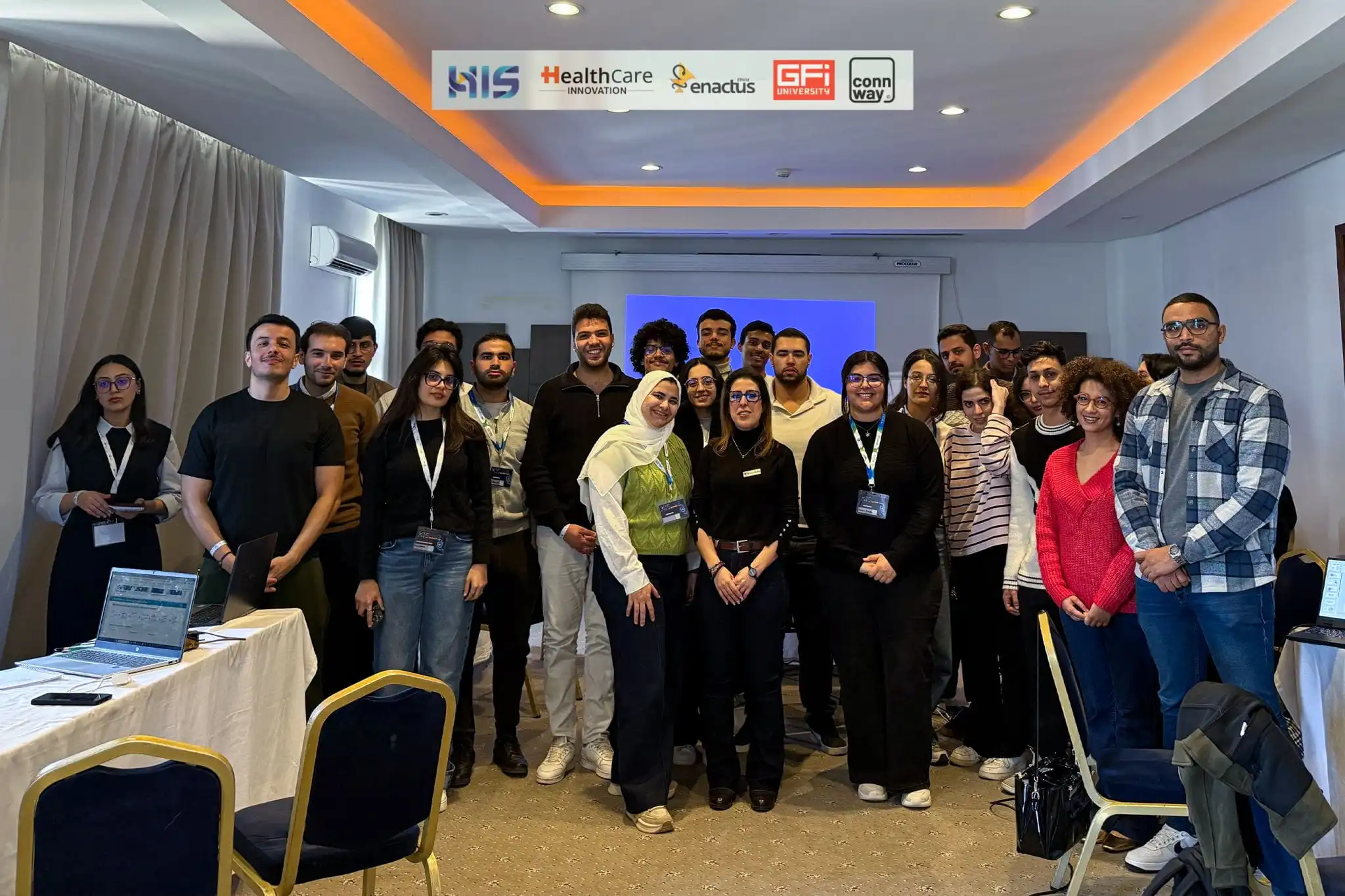
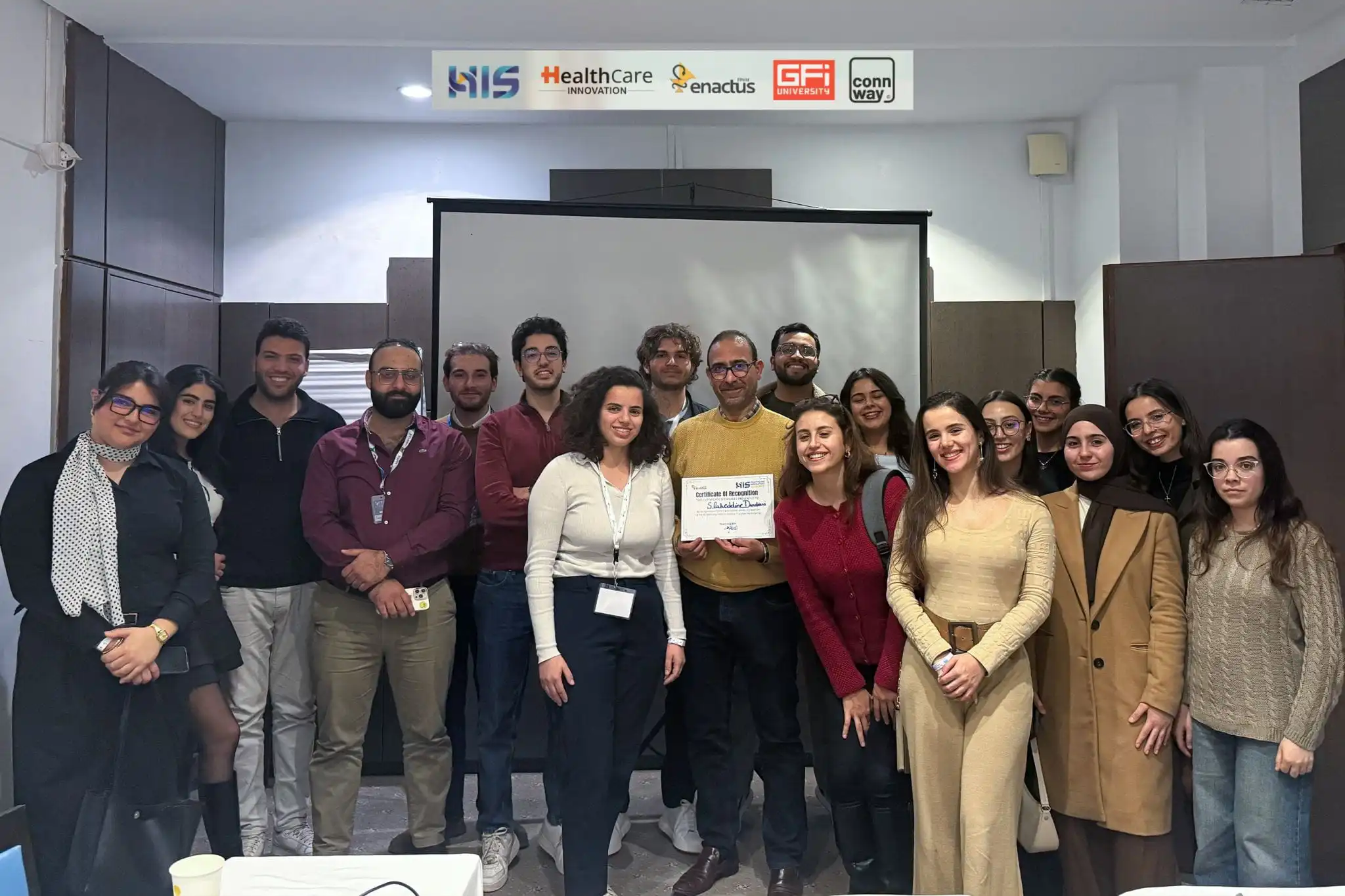
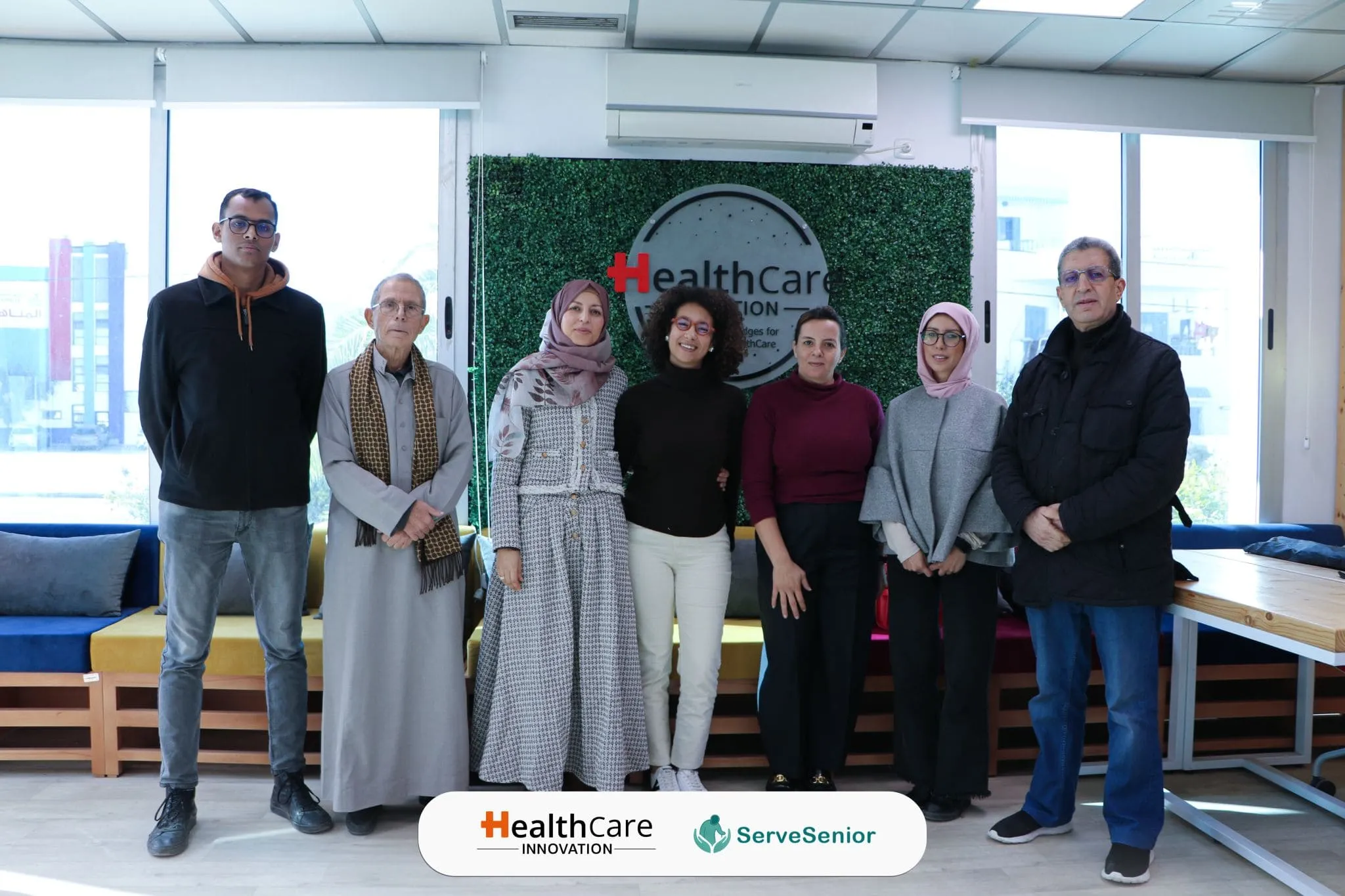
Thirty-six medical and IT students formed six teams and worked for 48 hours on six therapeutic areas. The Patient Care Pathways hackathon ran from 13 to 15 February 2026 in Hammamet, as a full residency. HealthCare Innovation reported the results on 10 March 2026.
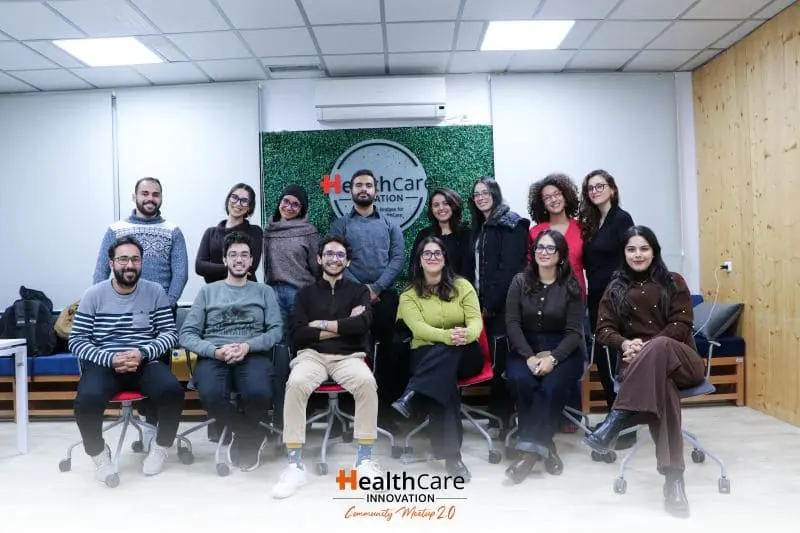
HealthCare Innovation is the HealthTech cluster based in Monastir, Tunisia. It ran the programme with Enactus Pharmacy → https://enactus.org , connway academy and GFI University.
Why a care pathway needs fixing before it needs software
A patient with diabetes in Tunisia sees a general practitioner, a specialist, a laboratory and a pharmacy. Each keeps its own record. None of them sees the whole journey.
That is not a Tunisian problem alone. In 2016 the World Health Assembly adopted the framework on integrated people-centred health services → https://apps.who.int/gb/ebwha/pdf_files/WHA69/A69_39-en.pdf . The framework asks health systems to move away from fragmented services organised around supply. It links that fragmentation directly to chronic disease, ageing and multimorbidity.
Tunisia carries that load. Noncommunicable diseases cause around 86 percent of deaths in the country → https://data.who.int/countries/788 . Those are exactly the conditions that need a pathway rather than a consultation.
So the brief given to the students was not to build an app. It was to redesign a journey, then decide what part of it software should carry.
How the programme was built
The call for applications opened on 6 February and closed on 9 February 2026. It targeted medical students and IT students from GFI, working in cybersecurity, artificial intelligence and software engineering.
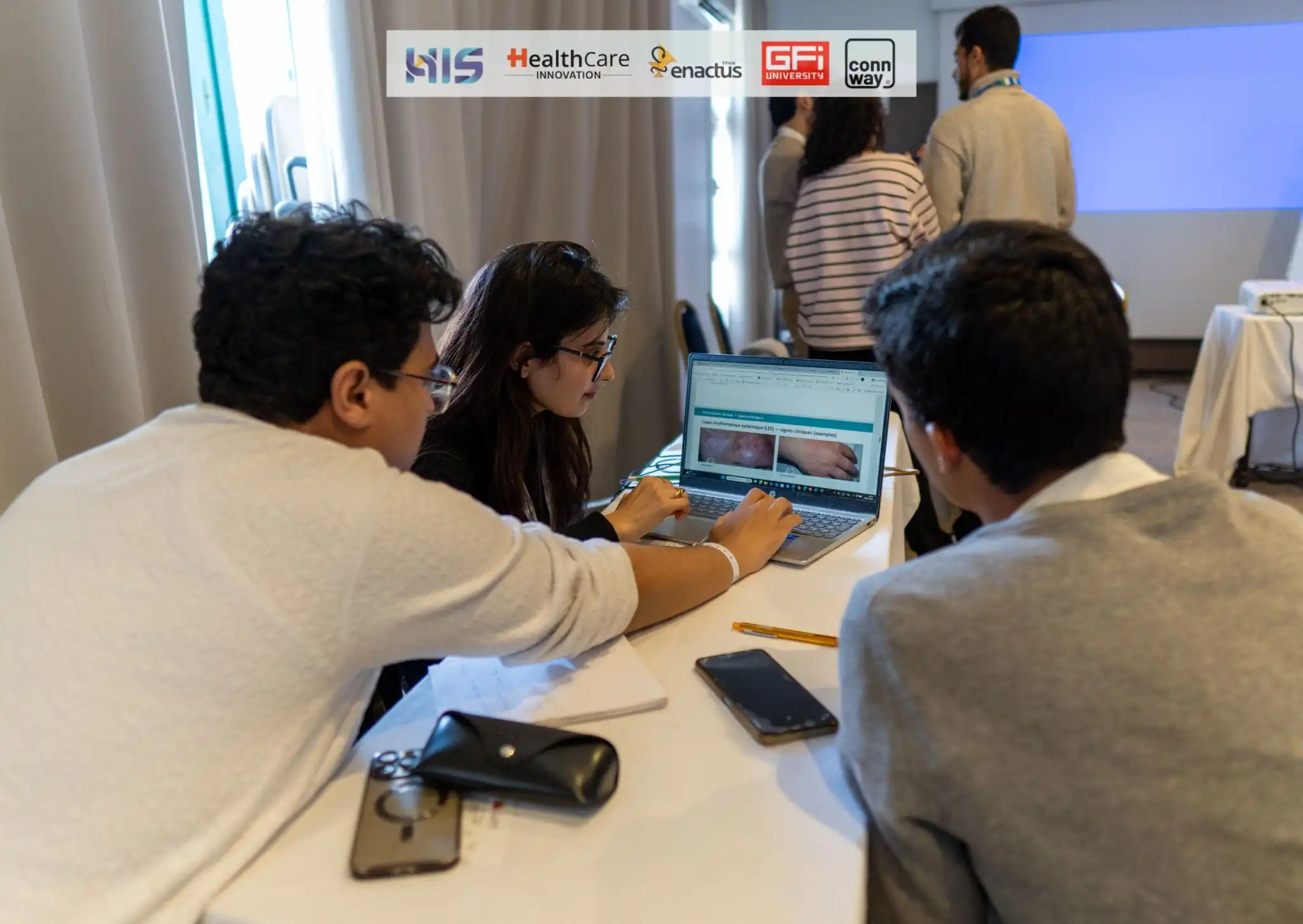
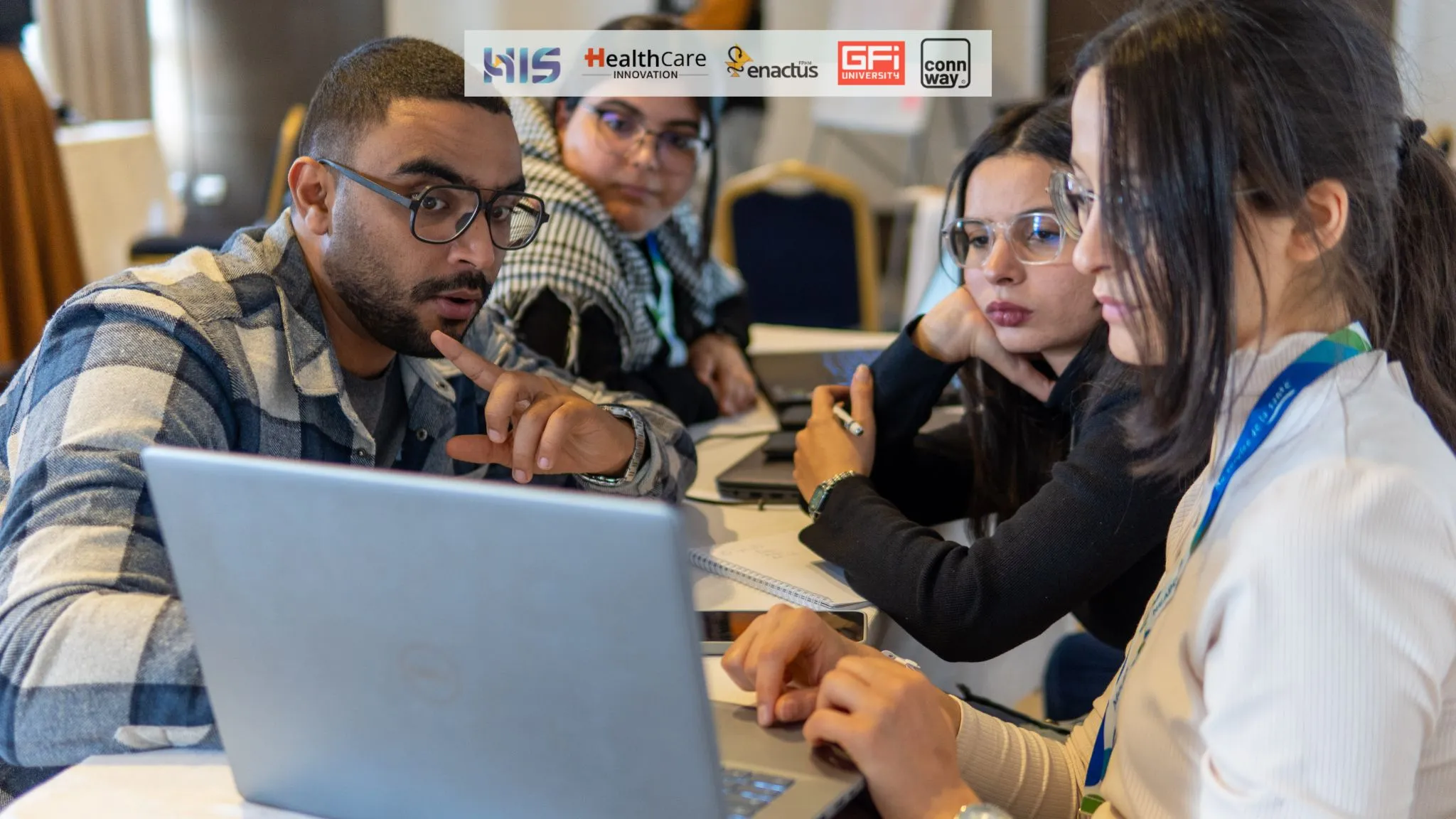
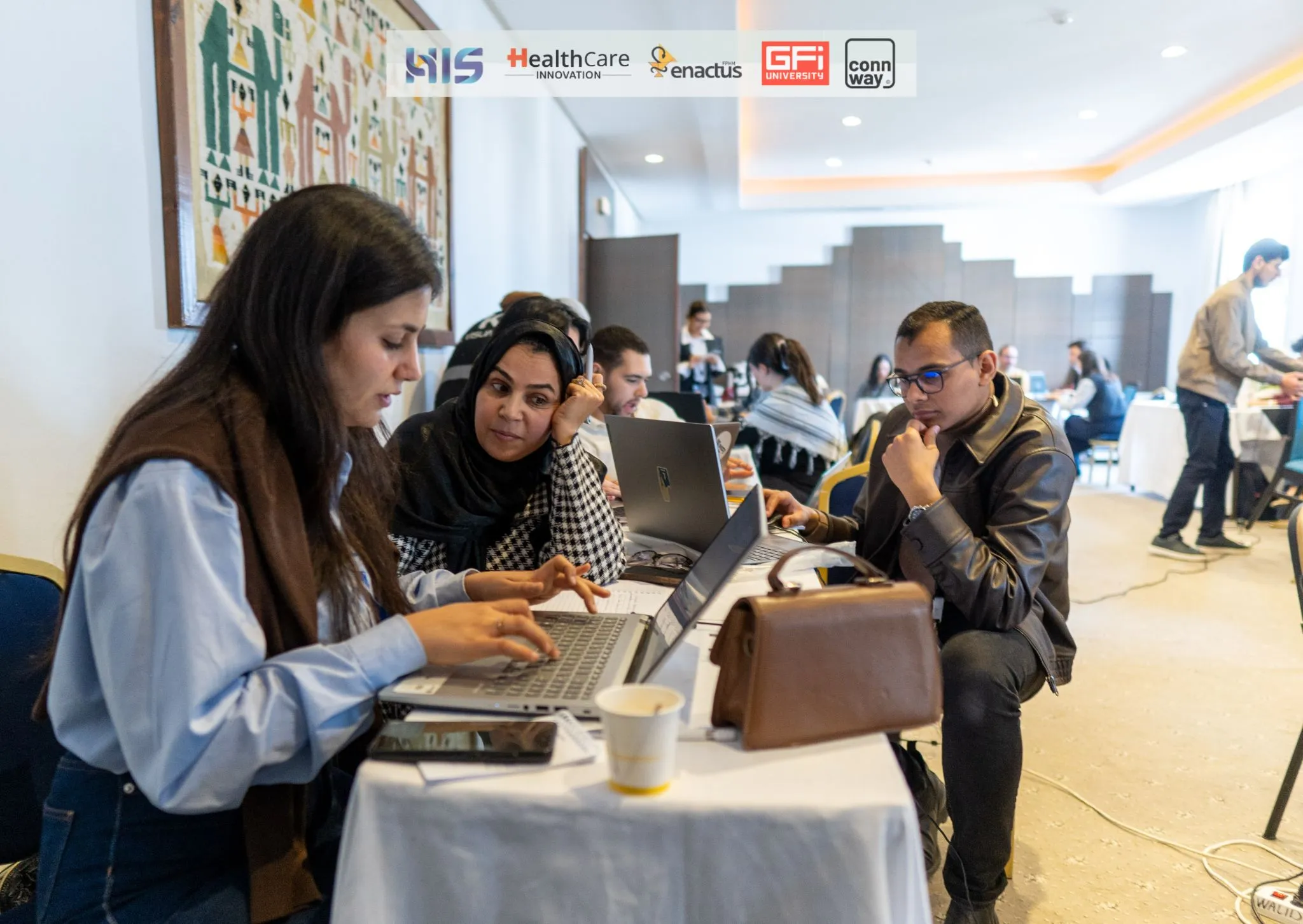
Teams were built to be mixed. Six people per team, medicine and engineering together, for three days in full residency at Hammamet. That format matters. A clinician and a developer who share a room for three days build something neither would design alone.
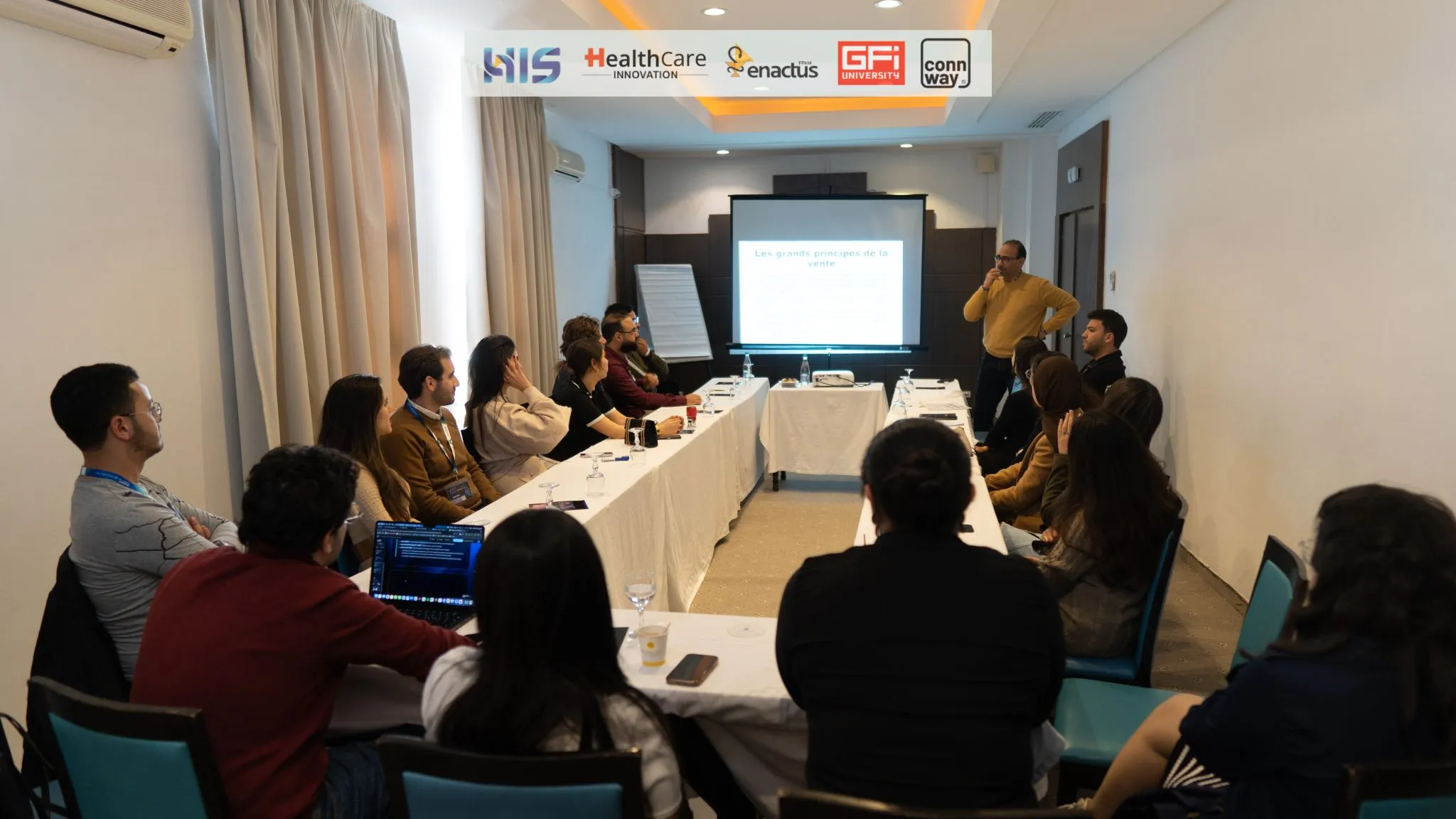
Team leaders, mentors and trainers guided each group. The teams generated ideas, tested their assumptions against them, and presented a solution at the end of the sprint.
The six challenges, and the ones that changed
The six therapeutic areas announced in February differ from the six worked on in the end. HCI published both lists. We report both, and note that no source explains the shift.
| Announced on 6 February | Worked on during the sprint |
| Internal medicine | Diabetes |
| Haematology | Cardiovascular diseases |
| Oncology | Dermocosmetics |
| Geriatrics | Geriatrics |
| Rare diseases | Rare diseases |
| Infectious diseases | Transmissible diseases |
Two areas held throughout: geriatrics and rare diseases. Infectious and transmissible diseases are the same category under two names. Three changed.
The likely reading is that the teams themselves reshaped the brief once they met their mentors. Diabetes and cardiovascular disease are the two heaviest chronic loads in Tunisia, and dermocosmetics has a large private market. A programme that lets students follow the real problem is doing its job.
The other half: Innovation Galaxy
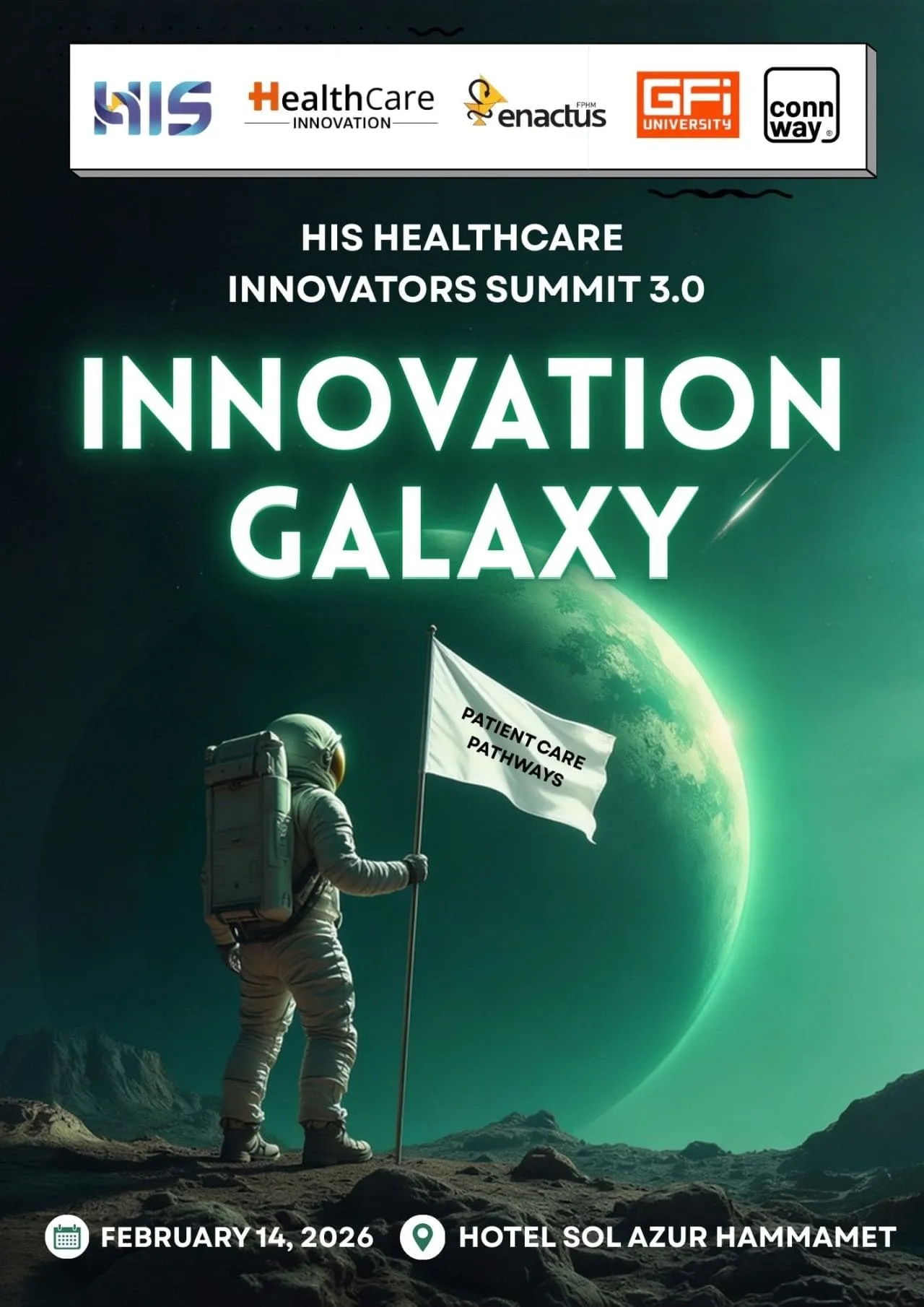
The hackathon did not stand alone. An Innovation Galaxy on patient care pathways ran on 14 February at the same venue, during the sprint. It showed six targeted therapeutic areas and the digital applications built around them, arranged as a personalised and fully digital patient journey.
A second Innovation Galaxy followed at the third Healthcare Innovators Summit, reported on 4 March 2026. Interactive stations took clinicians, innovators and startups through the same subject. We describe the format itself in Innovation Galaxy at the Mediterranean Geriatrics Forum https://healthcareinnovation.tn/innovation-galaxy-mediterranean-geriatrics-forum-2026/
The pairing is deliberate. Students design in one room while practitioners test finished tools in the next. Each group sees what the other is doing.
What we take from it
Three points hold beyond the weekend.
- Mixing the disciplines early works better than pairing them late. A medical student who has argued with a developer about a data model will brief one properly in ten years.
- The subject list moved because the participants moved it. That is a feature of the format, not a failure of planning.
- A hackathon produces prototypes, not companies. What turns one into the other is the support that follows, which is the subject of Pharma 4 Novation, eighteen months on https://healthcareinnovation.tn/pharma-4-novation-lessons-ecosystem-alliance/
HCI will run the format again. Students and academic partners who want to take part can reach us through the Community page → https://healthcareinnovation.tn/community/ . Teams with a project ready to go further can look at our Startup programmes https://healthcareinnovation.tn/service/startups/
Frequently Asked Questions
Q: Who could take part in the hackathon?
A: Medical students and IT students from GFI, working in cybersecurity, artificial intelligence and software engineering. Teams were multidisciplinary and had six members each.
Q: How long did the hackathon last?
A: Forty-eight hours of work across three days, from 13 to 15 February 2026, in full residency at Hammamet.
Q: Which therapeutic areas did the teams work on?
A: Diabetes, rare diseases, cardiovascular diseases, geriatrics, dermocosmetics and transmissible diseases. Three of these differ from the areas announced in the call for applications.
Q: Who organised the programme?
A: HealthCare Innovation, with Enactus Pharmacy, connway academy and GFI University.
Q: What is the Innovation Galaxy?
A: An immersive space that HCI sets up inside medical congresses and events. Visitors move through interactive stations showing digital health solutions. Two editions on patient care pathways ran in February and March 2026.
HCI Resources
Accelerating Innovation in HealthTech https://healthcareinnovation.tn/accelerating-innovation-in-healthtech/
Startup Programs https://healthcareinnovation.tn/service/startups/
Pharma & Medical Device Regulatory Services https://healthcareinnovation.tn/service/pharma-medical-device/
Experts Network https://healthcareinnovation.tn/experts/
Community Overview https://healthcareinnovation.tn/community/
Projects https://healthcareinnovation.tn/projects/
External Citations
World Health Organization – Framework on integrated people-centred health services, document A69/39 (2016) : https://apps.who.int/gb/ebwha/pdf_files/WHA69/A69_39-en.pdf
World Health Organization – Tunisia country data : https://data.who.int/countries/788
World Health Organization – Noncommunicable diseases surveillance data : https://www.who.int/teams/noncommunicable-diseases/surveillance/data
Enactus – global network of student entrepreneurs : https://enactus.org
Note for the production team
All links in this document must be published as HTML anchors, with the label as anchor text and the URL as the href. Recent articles publish these URLs as plain text, which removes every internal link and every outbound citation from the page.
Author display name must be the person named in the Author block, not the site domain.
Two internal links point to ACT-04 and ACT-05, which are not published yet. Publish this article after them, or set the links once those slugs exist.
Each image line carries its alt text after the vertical bar. Publish that text as the alt attribute.
The two-column table of therapeutic areas must be published as a real HTML table, not as an image.