Occupational Health, Safety & ESG Integration in Tunisia
Written by

From Compliance to Performance: Leveraging One Health for Sustainable Workplaces
Published by Healthcare Innovation | October 2025 – Monastir, Tunisia
1. Executive Summary
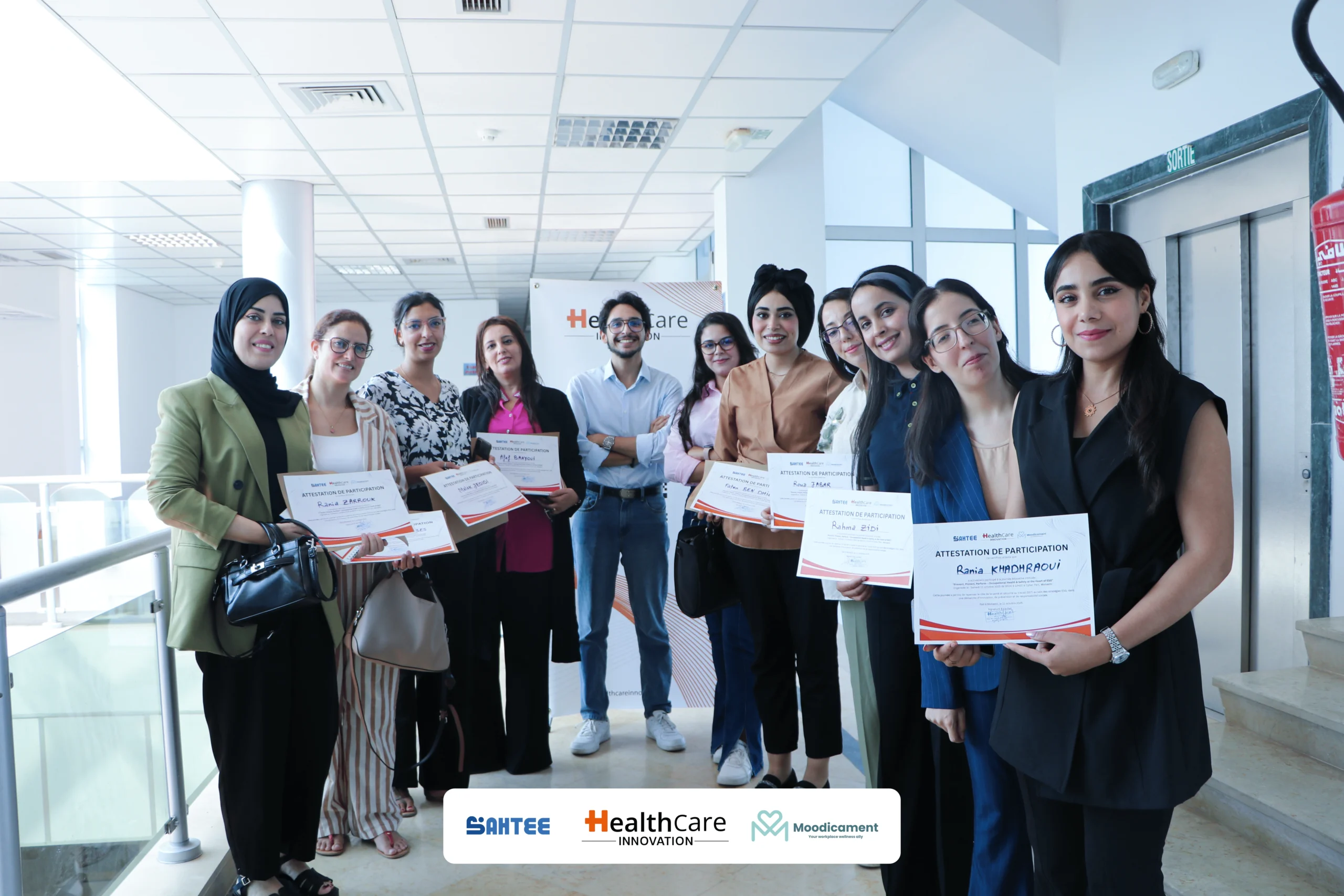
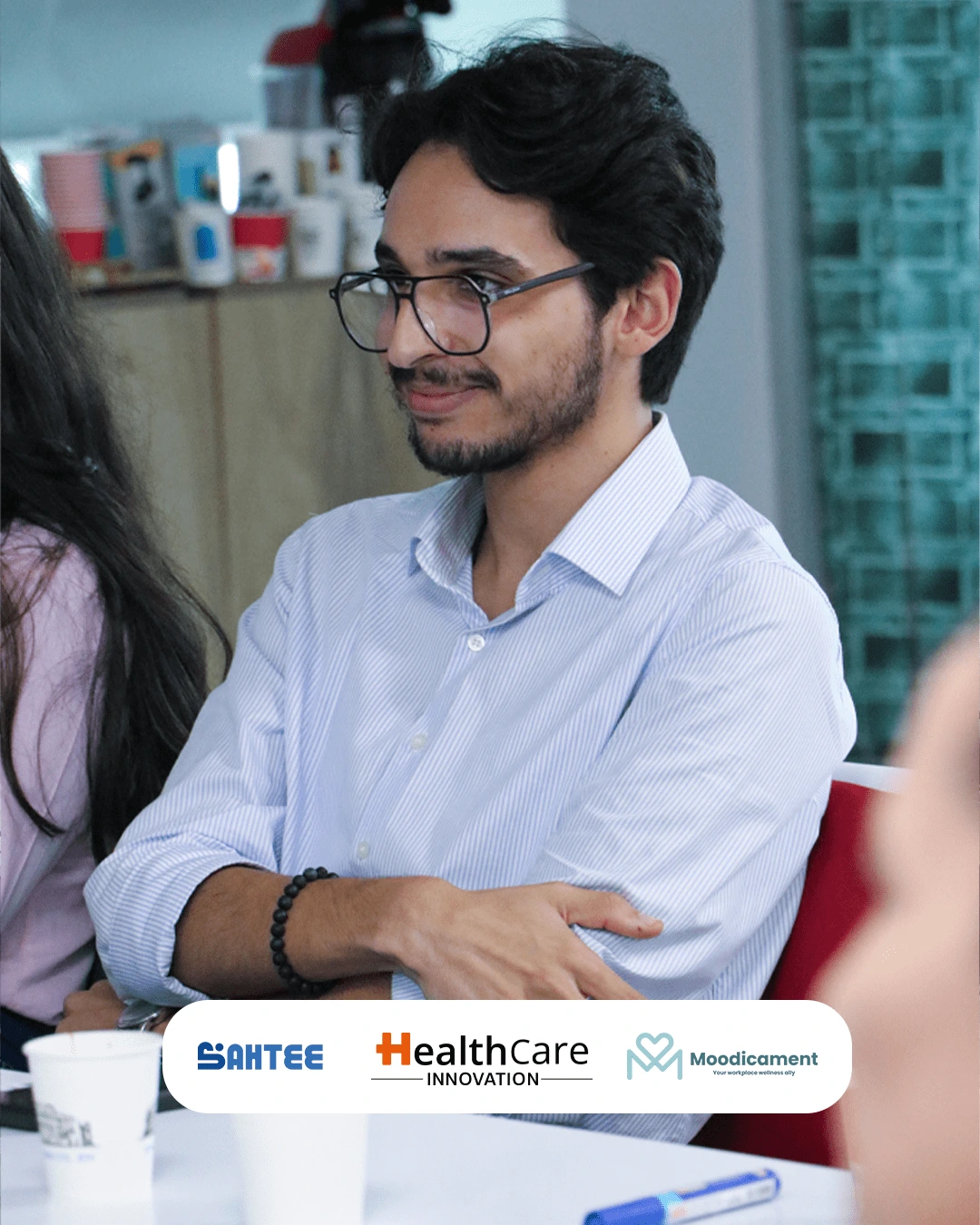
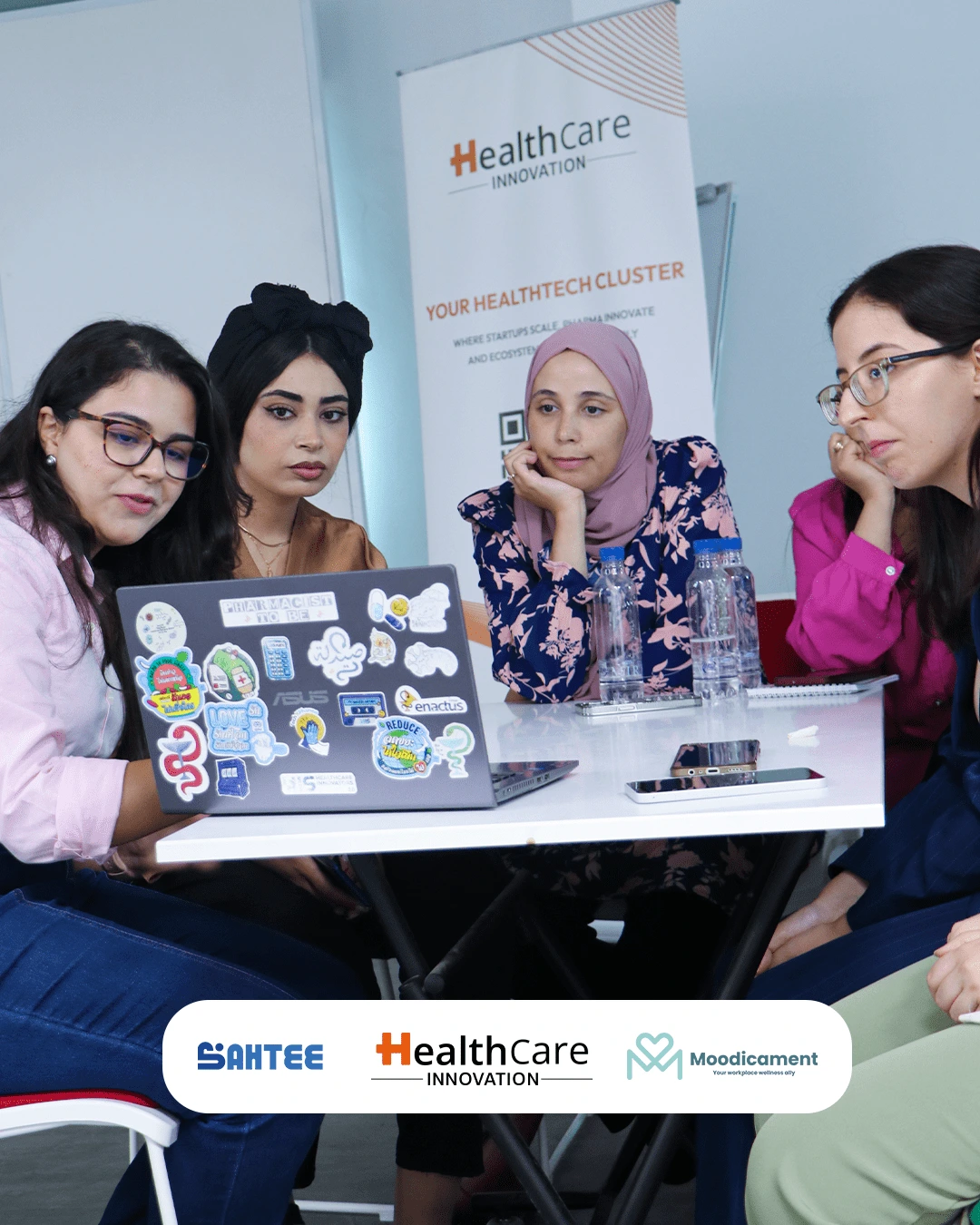
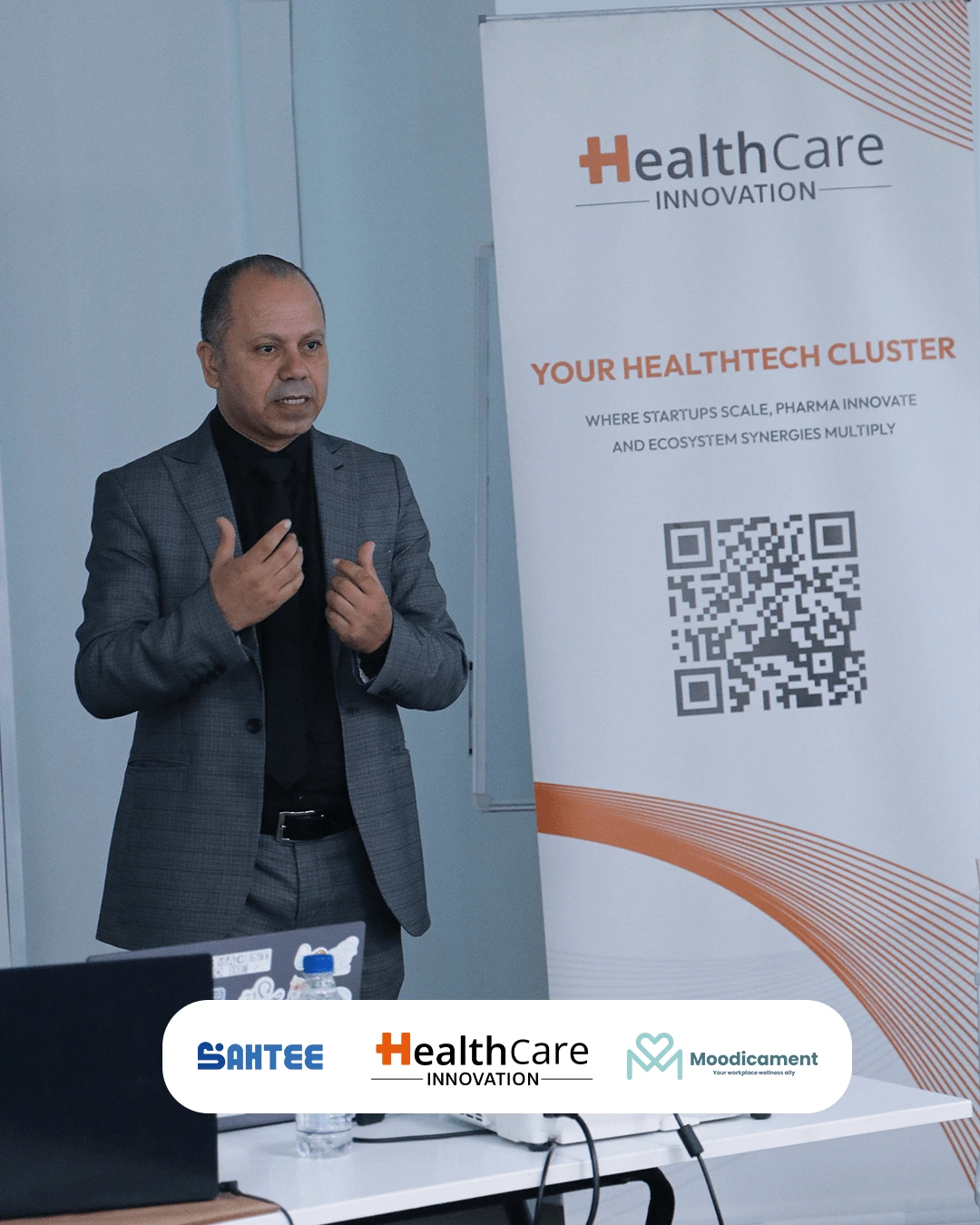
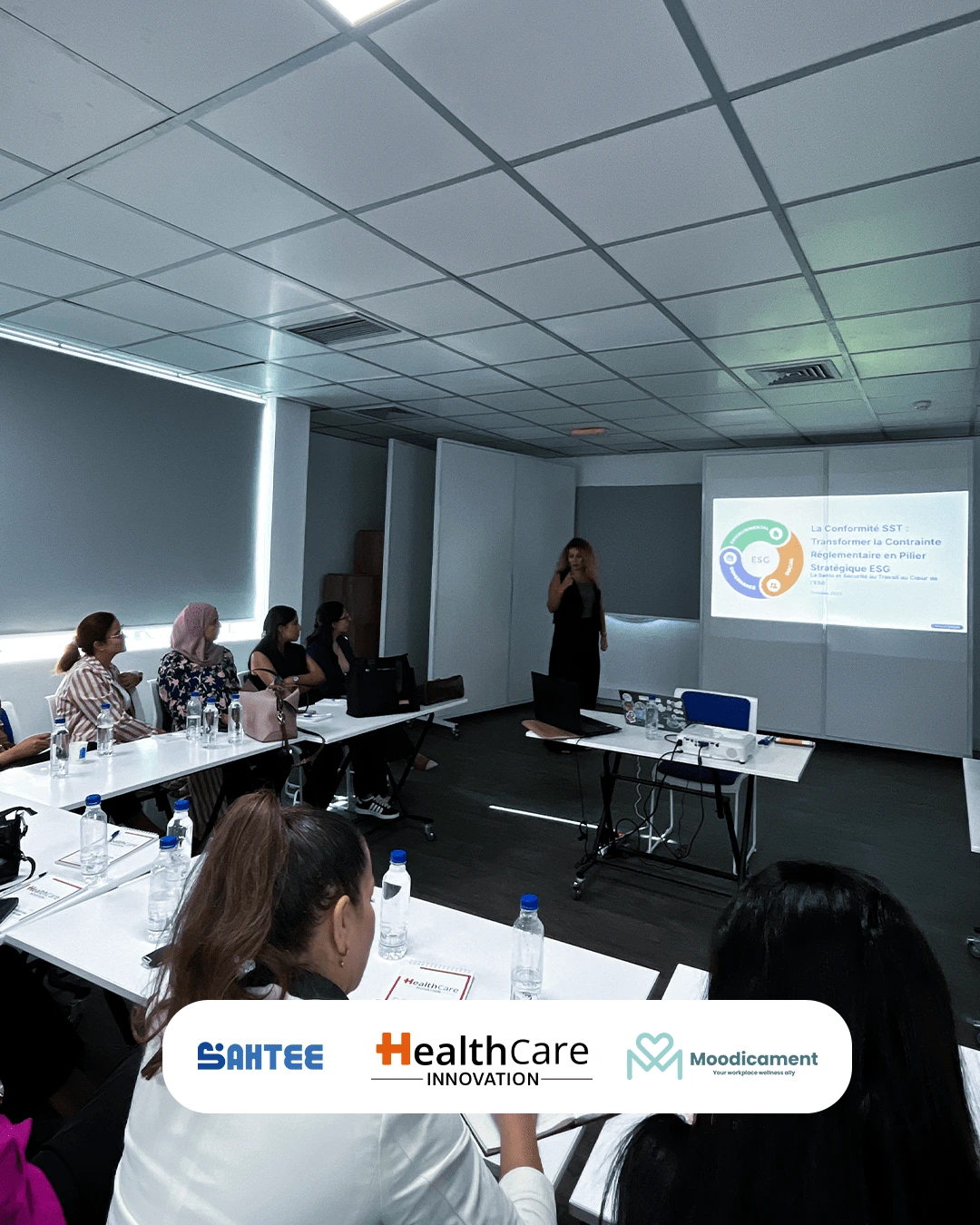
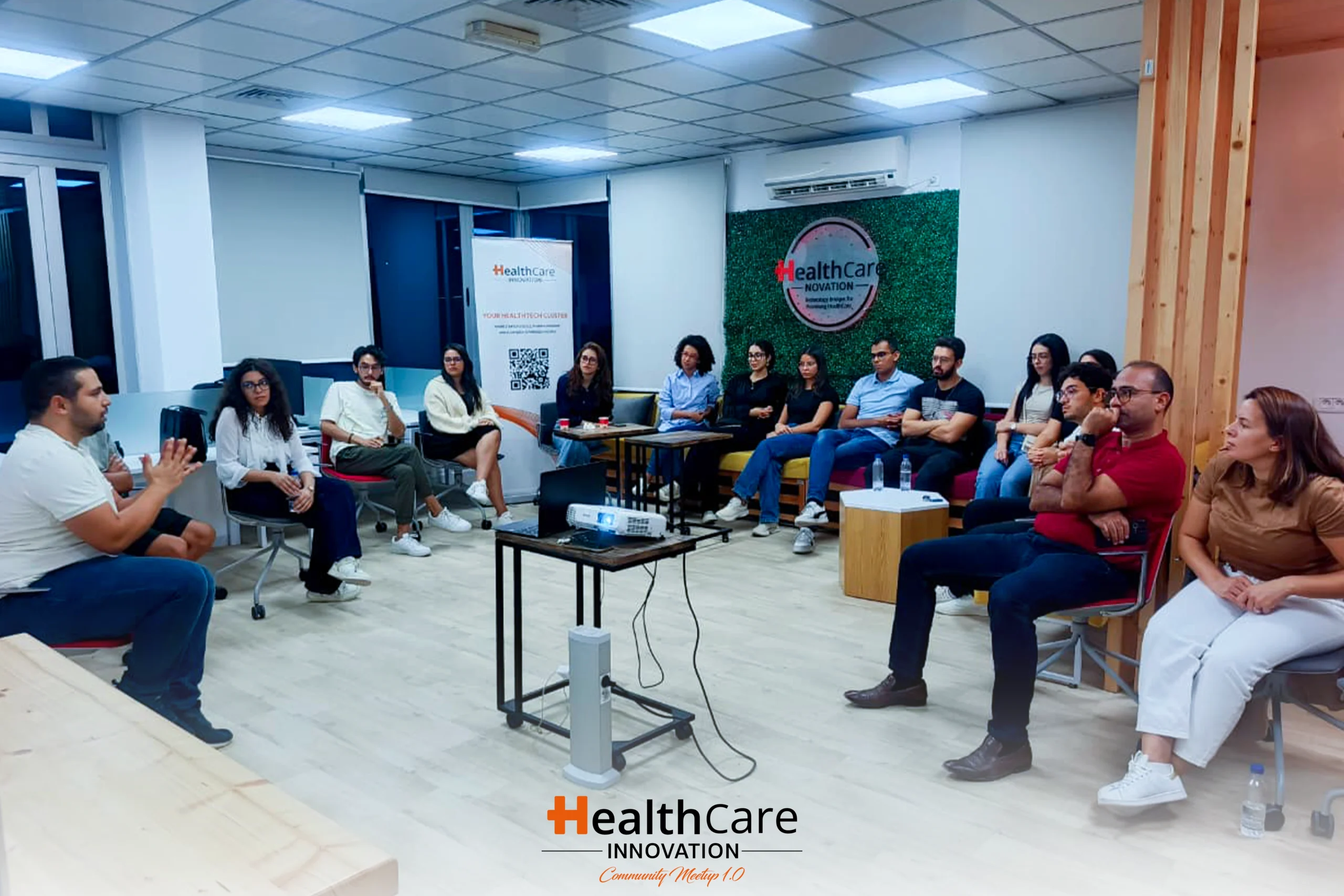
On October 11th, 2025, Healthcare Innovation, in collaboration with the Faculty of Medicine of Monastir, the Faculty of Pharmacy of Monastir, and the Occupational Health Service of CHU Fattouma Bourguiba, hosted an Educational Day on Occupational Health & Safety (OHS) and ESG integration at the Cyber Parc Monastir.
The event brought together over 40 HR, HSE, and ESG managers, occupational physicians, psychologists, academics, and business leaders from across Tunisia’s industries to explore how workplace health — both physical and mental — can drive ESG performance, productivity, and resilience.
Key message: Occupational Health and Safety (OHS) is no longer a regulatory burden but a strategic ESG investment with measurable ROI and social impact.
2. The State of OHS in Tunisia
In Tunisia, data from the National Institute of Statistics (INS) and the Ministry of Social Affairs highlight that:
- 35–40% of urban workers experience psychological distress;
- Psychosocial risks (stress, burnout, anxiety) are reported by 38% of Tunisian employees.
According to the World Health Organization (WHO, 2023),
- 77% of employees report stress-related symptoms at work;
- 50% of productivity loss is linked to psychosocial risks (RPS);
Recent national data highlight the urgency for modernization:
- Over 60% of occupational diseases declared in Tunisia are related to musculoskeletal disorders (MSDs) (Caisse Nationale d’Assurance Maladie, 2024).
- MSDs represent 85–90% of ergonomic-related complaints, affecting primarily textile, manufacturing, and agri-food workers.
- The average cost of a single MSD-related absence is estimated at 3 times the monthly salary, with an average 22 days lost per employee (EU-OSHA benchmark, adapted to Tunisia
- Less than 30% of SMEs have a structured OHS management system (ISO 45001 or equivalent).
These numbers reflect both a challenge and an opportunity for organizations transitioning toward ESG-aligned governance..
3. Event Overview
Participants included:
7 companies from the agriculture, textile, agri-food, and manufacturing sectors;
4 occupational health and regulatory institutions;
16 HR, HSE, and ESG managers from national and multinational organizations;
Representatives from academia and medical institutions (Faculty of Medicine, Faculty of Pharmacy, CHU Fattouma Bourguiba).
Participating organizations: ISCAE, Epic Valor X, Association Voix de l’Enfant et de la Femme Monastir, La Joie de Hicha, Centre d’Affaires de Monastir, Workman Group, STEG, Hôtel Alhambra Thalasso, Garde Nationale, STID Workman, Clinique de Médecine Dentaire, BK Food, COFAT Group, Aquachimie, among others.
Barriers Identified
- Heavy administrative load and reliance on manual, paper-based processes.
- Absence of predictive or analytic tools; Excel remains the dominant instrument.
- Limited access to occupational physicians and psychologists (often once per week).
- Fear and stigma surrounding mental-health reporting; absence of anonymous systems.
- Fragmented OHS actions disconnected from ESG indicators and ROI tracking.
Existing Actions
- Weekly visits by occupational physicians/psychologists in ~30% of companies.
- Quarterly safety meetings and field visits in 45% of surveyed organizations.
- Anonymous feedback forms in 25% of workplaces.
- Basic ergonomic training programs implemented by 40%.
4. Expert Insights: New Perspectives
Mrs Zaineb ZAHOUANI – Occupational Psychologist
“Mental Health: The Invisible Engine of Performance.”
She introduced evidence-based workplace psychology models showing that consistent mental-health monitoring can reduce turnover by up to 25% , absenteeism by 20% and productivity (+15%), according to recent WHO estimates. She recommended introducing digital sentiment-tracking tools and team-level stress heatmaps to detect early signals of risk.
Pr Charfeddine AMRI – Occupational Physician & Ergonomist
“Ergonomics and Prevention as Economic Drivers.”
He revealed new local data showing a 36% reduction in MSD-related injuries within Tunisian companies adopting ergonomic interventions between 2021–2024. He emphasized the need for digital traceability systems to centralize ergonomic audit data and ensure accountability , visualize risk exposure and forecast injury costs
Mrs Wassima SABER – ESG Consultant
“Compliance in OHS: Turning Regulatory Constraints into ESG Value.”
she demonstrated that preventive compliance yields measurable financial and reputational ROI.
She presented a model aligning ISO 45001 indicators with ESG frameworks (GRI 403, SASB HC101-10) and proposed five KPIs for Tunisia:
- Lost Time Injury Frequency Rate (LTIFR)
- Absenteeism due to RPS or MSD (%)
- Employee participation in well-being programs (%)
- ESG OHS budget ratio (% of operating costs)
- ROI of prevention programs
Her new insight: integrating OHS data into ESG dashboards increases investor confidence by 18–22% on average (based on regional case comparisons).
5. Digital Transformation: Tunisian Innovations
5.1 SAHTEE : Digitalizing OHS Governance
SAHTEE — Digitalizing OHS Governance
A digital platform designed to modernize Occupational Health and Safety (OHS) management and transform compliance into performance.
For Employers / Safety Managers:
Centralized dashboard covering incidents, medical visits, audits, and risk levels.
AI-assisted prevention planning and automatic CAPA tracking.
Integrated ESG and OHS indicators for real-time monitoring and reporting.
For Employees / Health Professionals:
Digital declaration of incidents via QR code and smart notifications.
Access to health and safety records, ergonomic guidance, and microlearning content.
Interactive chatbot providing chemical-risk assistance and emergency measures.
Scientific Validation:
Developed with occupational physicians and ergonomists and piloted in industrial and academic environments in Monastir. Ensures compliance with ISO 45001, ISO 27001, and GDPR-like data-protection standards.
Feedback from Companies:
Participants emphasized the need for:
System interoperability and data reliability.
Sector-specific customization (industry, agriculture, pharma).
Legal recognition of digital OHS records.
ROI measurement through reduction of incidents and absenteeism.
Outlook:
SAHTEE illustrates Tunisia’s move from compliance to performance, leveraging digital tools and One Health principles to build safer, smarter, and more sustainable workplaces.
5.2 MOODICAMENT :Digital Mental Health & Workplace Well-being Solution
A digital ecosystem connecting employees, HR teams, and certified mental-health professionals.
For Employees:
- Anonymous Mood Tracker and self-assessment (daily/weekly).
- Personalized AI-based recommendations (microlearning, exercises, guided breathing).
- Direct online booking with psychologists, nutritionists, or coaches.
For Employers / HR:
- Real-time Well-being dashboard (aggregated & anonymized data).
- Early warning indicators on stress, fatigue, or burnout.
- Evidence-based insights to guide HR decisions & ESG reporting.
Scientific Validation:
Developed with psychologists and validated in pilot studies with the Faculty of Medicine of Monastir and the Occupational Health Service of CHU Fattouma Bourguiba, ensuring compliance with GDPR-like standards european data-protection norms.
Feedback from Companies:
Participants raised critical questions around:
- Data anonymity and protection;
- Scientific validity and certification;
- Sector-specific customization;
- ROI measurement and correlation with absenteeism reduction.
Both startups confirmed full compliance with international data-security frameworks, evidence-based protocols, and customizable ESG/OHS dashboards for different industries.
6. Recommendations & Next Steps
In alignment with EU-OSHA and WHO frameworks, the following actions are recommended for Tunisian organizations:
- Integrate digital tools to transition from reactive to predictive OHS management.
- Adopt an ESG-aligned OHS policy — linking safety, well-being, and governance metrics.
- Institutionalize anonymous reporting mechanisms to overcome stigma and foster trust.
- Develop cross-sector partnerships (academia, startups, and companies) for evidence-based workplace research.
- Train OHS and HR teams in data literacy, mental-health first aid, and ROI tracking.
- Establish a national OHS digital observatory, hosted collaboratively by healthcare, academia, and industry.
These steps would enable Tunisia to reduce workplace accidents by 25–30% and MSD prevalence by 40% over five years, while improving ESG ratings and employer branding.
7. Conclusion: The One Health Imperative
This event underscored a collective conviction:
Sustainability begins with people.
Occupational Health and Safety are the foundations of the “S” in ESG and the core of the One Health paradigm — connecting human, organizational, and environmental health.
Through collaboration between institutions, startups, and industry leaders, Tunisia is poised to become a regional example of digital, inclusive, and sustainable OHS transformation.
For further information or partnership inquiries:
contact@healthcareinnovation.tn | www.healthcareinnovation.tn
#HealthcareInnovation #OHS #ESG #DigitalHealth #OneHealth #WorkplaceWellbeing #Sustainability #MentalHealth #Tunisia #Sahtee #Moodicament #Innovation #ROI #Ergonomics